
The renewal meeting is supposed to be about numbers. Then the conversation widens. Pest spend is up for review just as audit planning tightens, poison policies feel less comfortable than they did a few years ago, and someone asks the question that changes the whole tone of the room: what kind of rodent-control model can this facility actually live with all year? In California, that is no longer a side discussion. It is an operations decision.
When I talk about eco friendly rodent control for commercial sites, I am not talking about homeowner advice, humane talking points, or a prettier label on the same reactive program. I mean a system that protects food plants, laboratories, medical facilities, warehouses, data centers, and other sensitive buildings without creating new safety problems, sanitation burdens, or daily friction for the people trying to keep the operation moving. For a business, “eco friendly” only matters if it also works in the real conditions of a live facility.
See whether a prevention-first system fits your facility
If you’re weighing audit readiness, worker touchpoints, and maintenance burden, Strike System can help you evaluate whether a non-toxic deterrence approach makes sense for your site.
Explore Your OptionsCalifornia businesses tend to feel the tradeoffs more sharply because the standard for what counts as responsible control is higher. Teams are thinking about worker safety, sanitation, environmental exposure, documentation, and whether a program will hold up under scrutiny. Even when rules are not changing inside your building overnight, the broader pressure around poison use and prevention-first thinking changes how facility leaders evaluate risk.
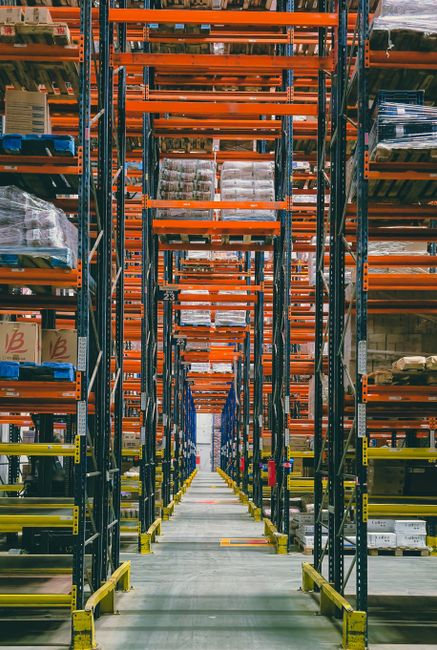
That matters most in places where rodent control cannot be isolated from the rest of the operation. In a food environment, recurring evidence can become a sanitation and audit problem. In a lab or medical setting, every extra touchpoint matters. In a warehouse, trap checks and follow-up service can quietly consume staff attention. In a data center or other critical infrastructure site, the tolerance for disruption is low. A rodent-control program may sound green on paper, but if it still leaves your team managing carcasses, contaminated areas, resets, logs, and repeat sightings, the business is still carrying the burden.
That is why I think the better screening question is not “Is this method eco friendly?” but “Does this program reduce exposure, documentation drag, and operational friction in practice?” The strongest answer usually comes from systems designed to prevent activity year-round rather than just respond to evidence after the fact.
The bigger choice is the operating model
Most commercial buyers are not simply choosing between one product and another. They are choosing between two operating models. The first is reactive: traps, bait stations, routine checks, and follow-up when activity appears. The second is prevention-first: an always-on strategy built to deter rodents from settling into the building in the first place.
Reactive methods can look familiar because they fit old service patterns. Something is placed, checked, replaced, documented, and revisited. But the hidden cost is that the facility often remains involved in the same cycle. Staff still encounter evidence. Service still has to be scheduled and tracked. There may still be dead-rodent risk, odor risk, and sanitation exposure in hard-to-reach spaces. The model manages incidents, but it does not always remove the friction around them.
A prevention-first model changes the daily burden. Instead of asking your team to live around traps, poison, glue boards, or recurring aftermath, it aims to create a deterrent environment that is active continuously and does not depend on constant handling. That distinction matters if your site is sensitive, audit-conscious, or spread across multiple locations where consistency is hard to maintain with labor-heavy methods.
Start with worker touchpoints and sanitation exposure
If I were screening eco friendly rodent control for a California business, this is where I would begin. How often does the program require a person to touch, inspect, move, remove, reset, or clean up something tied directly to rodent activity? That one question tells you a lot.
A program can market itself as greener than traditional poison use and still create frequent worker interaction with traps, captured rodents, contaminated surfaces, or problem areas inside active spaces. In a commercial setting, that is not a minor detail. Every touchpoint can add sanitation handling, training responsibility, and potential discomfort for staff who were hired to run operations, not manage rodent aftermath.
The cleaner model is the one that reduces those interactions. That means fewer situations where employees or contractors are dealing with carcasses, fewer devices that need manual resets, and fewer moments when signs of activity create a cleanup issue in occupied or regulated areas. In that sense, employee safety and sanitation exposure are linked. The less your people have to physically engage with the evidence of the problem, the more business-friendly the solution usually is.
Then look at audits, documentation, and what the program leaves behind
For many California operations, an eco friendly rodent control program is only as good as its audit behavior. I do not just mean whether it can be described with positive language. I mean whether it simplifies the story your facility has to tell when someone reviews conditions, logs, procedures, and recurring issues.
Reactive programs often create paperwork and visible control activity, but that does not always translate into confidence. If the building still generates repeated evidence, repeated responses, and repeated handling, the documentation trail can start to tell a story of persistence rather than control. In sensitive environments, recurring signs of rodents may matter just as much as the service record itself.
A stronger program reduces the amount of pest-related activity your team has to explain. It supports a cleaner operational narrative: fewer interventions, fewer staff touchpoints, and a more prevention-oriented posture. That is one reason non-toxic, year-round deterrence can fit compliance-conscious facilities so well. It aligns the control method with the broader goals of sanitation discipline, employee protection, and process consistency.

After that, measure the maintenance burden
Many businesses underestimate how much time a reactive rodent program consumes because the labor is spread out. A few minutes here for a check. A service call there. A follow-up after a sighting. An internal email chain. A sanitation response. A question during an inspection. None of it looks dramatic alone. Together, it becomes an operations tax.
That is why maintenance burden deserves to be a primary buying criterion, not an afterthought. If a program depends on frequent manual intervention to stay effective, your site is paying for that in more ways than one. You are paying in service administration, in staff attention, in interruptions, and in the drag that comes from keeping rodent control active as a recurring task instead of a stable layer of facility protection.
Strike System’s model is built around a different idea: engineered, non-toxic deterrence that protects sensitive infrastructure without chemicals or poisons and without turning rodent control into a constant handling exercise. For operations leaders trying to reduce friction, that shift matters as much as the environmental benefit.
Consistency matters even more when you have more than one site
A method that feels manageable in one building can become difficult to standardize across a region. Multi-site operators need more than a set of good intentions. They need a program that can be applied consistently, documented consistently, and maintained without every location improvising its own version of pest control.
This is where many “eco” approaches thin out. If performance depends heavily on local habits, frequent resets, variable service quality, or site-by-site interpretation, leadership ends up with uneven protection. One facility may stay on top of it. Another may drift. A third may carry a different mix of devices, exposure points, and responsibilities. That inconsistency creates management noise and can complicate internal standards.
A commercial-grade prevention system should be easier to scale than a labor-heavy reactive model. It should support repeatable deployment, reduce local handling requirements, and fit the same operational logic across warehouses, processing spaces, technical environments, and other protected sites. That is often the difference between a program that sounds attractive in a meeting and one that leadership can actually live with across the portfolio.
A compact way to evaluate your options
- Does it avoid poisons, glue traps, and other methods that add environmental or worker-exposure concerns?
- Does it reduce employee contact with rodents, carcasses, contaminated areas, and manual resets?
- Does it support a cleaner audit story with less recurring evidence and simpler documentation?
- Does it lower routine maintenance and trap-check labor rather than just shifting that burden around?
- Can it operate reliably in sensitive environments such as food, medical, lab, warehouse, and technical facilities?
- Can it be standardized across multiple California sites without uneven execution?
Why common approaches still leave facilities doing cleanup work
Traps can catch rodents, but they often leave the business managing what happens next. Someone still has to inspect, reset, remove, and document. Glue traps raise their own concerns around handling and humane perception. Bait and poison programs may reduce activity in some contexts, but they can introduce exposure concerns and the familiar problem of rodents dying in inaccessible places. Exclusion work is important, but exclusion alone is rarely a complete answer in active commercial environments with ongoing movement, deliveries, penetrations, and wear points.
None of those realities mean every conventional method has no place in a broader pest conversation. They do mean a facility should be honest about what burden remains on the operation. If the current approach still depends on recurring touchpoints, recurring evidence, and recurring staff attention, it may not be as eco friendly in practice as it sounds in a proposal.
That is the value of a prevention-first lens. I am not asking whether a method can produce activity on a service report. I am asking whether it reduces the lived burden inside the building. For California businesses that want safer, cleaner, lower-friction rodent protection, that is the more useful standard.
How I would evaluate fit before making a switch
Before renewing a program or issuing an RFP, I would bring the right internal people into the conversation: facilities, operations, sanitation, EHS, QA, procurement, and anyone responsible for audit readiness. The goal is not to debate abstract green claims. It is to identify which control model best supports the site’s actual operating conditions.
- Where are staff still interacting with traps, evidence, or rodent-related cleanup?
- What pest-control tasks are quietly consuming labor each month?
- Would an auditor see a prevention-forward system or a repeated-response pattern?
- Does the site need a solution that avoids chemicals and poisons entirely?
- If you have multiple facilities, can the same approach be rolled out consistently everywhere?
For vendor discussions, I would push for clarity on maintenance responsibility, fit for sensitive spaces, expected worker touchpoints, and how the solution supports year-round continuity rather than periodic reaction. If those answers still revolve around frequent checking, replacing, catching, and cleaning, the model may not be advancing your operation very far. If the answers point toward non-toxic, low-maintenance, engineered deterrence designed for commercial infrastructure, you are likely closer to a system that aligns with California business realities.
That is why many facilities end up viewing prevention-first protection as the smarter next step. It is not just about sounding greener. It is about choosing a rodent-control architecture that is easier to live with, easier to defend, and better suited to sensitive operations over the long term.
Frequently asked questions
Can poison-free rodent control really work in large commercial facilities?
Yes, if the program is designed as a real prevention system rather than a lighter version of reactive control. Large facilities need solutions that operate continuously, fit the building’s sensitivity level, and do not depend on constant manual intervention to remain effective.
Is this mainly for food plants, or does it fit other industries too?
It fits a wide range of commercial environments, especially where sanitation, uptime, and worker safety matter. Food processing, laboratories, medical facilities, data centers, warehouses, agricultural storage, and other critical sites can all benefit from a non-toxic, lower-touch model.
How does an eco friendly rodent control program help with audits?
It can help by reducing recurring evidence, reducing staff touchpoints, and simplifying the operational story around rodent management. A prevention-first program supports a cleaner compliance posture than one that repeatedly generates catches, resets, and aftermath handling.
Who handles maintenance in a prevention-first system?
That depends on the design, but the business-friendly goal is to minimize routine handling and reduce the maintenance burden compared with trap-heavy or poison-based programs. A well-engineered system should not turn day-to-day rodent control into a constant facility task.
What if we already do exclusion work?
Exclusion is valuable, but most live commercial facilities need more than sealing alone. Openings change, operations create new vulnerabilities, and rodent pressure is not static. A year-round deterrence layer helps close the gap between building maintenance and actual operational protection.
Ready to reduce rodent-control friction across your operation?
Strike System helps food plants, labs, warehouses, medical facilities, and other sensitive sites move away from poison-heavy, trap-dependent programs with engineered non-toxic deterrence built for year-round protection.
Request a Consultation