
The technician was there yesterday. This morning, a walk past the dumpster pad, the dock edge, or the utility line tells a different story. Not a dramatic infestation scene—just the same stubborn exterior evidence in the same hard-used zone, enough to raise the question I see California facility teams wrestle with all the time: are you paying to reduce noise around the problem, or to actually change the conditions that keep bringing rats back?
If repeat activity keeps showing up outside after routine service, I would not treat it as a simple complaint about visit frequency. More often, it is a sign that the site is carrying an ownership gap. Sanitation may be doing its part. Maintenance may be closing work orders. Operations may be moving freight the only way the schedule allows. But if the perimeter behavior of rats is not being changed, the facility can end up funding a managed cycle of bait checks, cleanup, and repeat pressure instead of true control.
Here is the short answer: when rats keep reappearing in the same exterior hot zones after service, the issue has usually moved beyond a basic rat exterminator problem. At that point, the real question is whether your current model is only treating symptoms while access paths, site pressure, and perimeter behavior stay intact. That is the moment to escalate from routine response to a prevention-first site strategy.
What recurring exterior rats are really telling you
Facility teams often assume repeated sightings or evidence mean someone needs to work harder, come more often, or add more product. Sometimes more effort helps in the short term. But recurring exterior activity usually points to something more structural: the site has predictable pathways, reliable attractants, and pressure zones that remain usable to rodents even after each visit.
That matters because exterior recurrence is different from a one-off incident. When evidence clusters around the same edge conditions, rats are not randomly passing through. They are reusing parts of the property that continue to support movement, concealment, feeding, or water access. In other words, the site is still readable to them.
For California commercial and industrial properties, that pattern often shows up where waste handling, freight movement, drainage, and utilities meet the building perimeter. Those are not just pest-control details. They are facilities signals. If the same pressure keeps returning there, I would read it as a boundary-control problem, not just a service-frequency problem.
How to read the hot zones instead of just reacting to them
The location of repeat evidence matters more than many teams realize. Exterior rats do not distribute themselves evenly around a property. They concentrate where operations accidentally make the perimeter easy to use.
Dumpster pads and waste enclosures
When activity keeps returning around dumpsters, compactors, or waste corrals, the signal is rarely just “dirty area equals rats.” The deeper issue is usually consistency: recurring food residue, moisture, enclosure gaps, nearby cover, and a dependable route in and out. Even well-run sanitation teams can get trapped here if the site design keeps recreating the same opportunity after every cleaning cycle.
If your pest spend rises while the dumpster zone still demands extra cleanup and repeat attention, that is a budgeting clue. The facility may be paying operating expense to maintain a pressure point that needs a stronger perimeter control decision.
Loading zones and dock lines
Dock areas create perfect overlap between exterior pressure and operational necessity. Doors cycle. Pallets pause. Trailers come and go. Product and waste streams cross paths. If rats keep showing up along dock edges, trailer staging areas, or the outer margins of receiving, I would look beyond extermination output and ask whether traffic flow is preserving a usable edge condition.
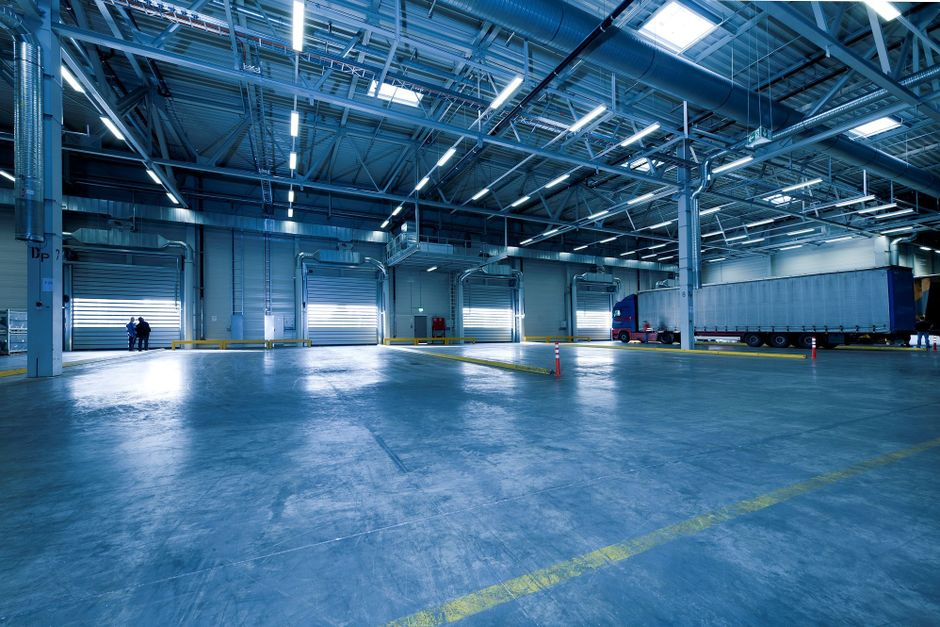
This is why some sites feel stuck in repeat service even when teams are responsive. No single visit can redesign how a busy loading perimeter functions. If the dock line still behaves like a predictable corridor, activity can keep coming back on schedule with operations.
Drainage paths and low-water routes
Exterior rat pressure often intensifies where runoff, irrigation overspray, standing moisture, or shaded drainage channels create survivable movement lanes. These zones are easy to underrate because they do not always look like classic pest hotspots. But recurring evidence near drains, swales, or low-lying perimeter routes often means rodents have a protected travel path that survives normal service attention.
When I see that pattern, I think less about isolated removal and more about whether the site is allowing repeat circulation around infrastructure that never really becomes hostile to rodents.
Utility corridors and service edges
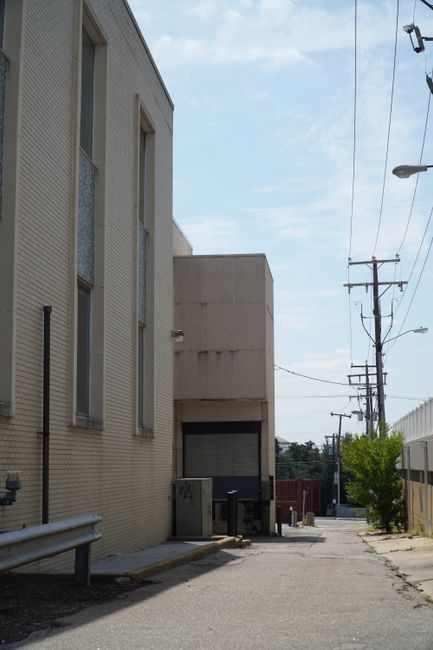
Utility lines, pads, penetrations, and service margins can function like quiet highways around a facility. They offer linear guidance, intermittent cover, and less human disruption than primary traffic areas. Repeat exterior evidence there usually signals reuse, not accident.
That is especially important at sensitive facilities, where teams cannot afford to normalize rodent pressure near electrical, mechanical, lab, food, or mission-critical support areas. If service keeps resolving the moment but not the pattern, the issue has already become a facilities-management concern.
The difference between controlling symptoms and changing behavior
A lot of commercial pest programs are built to document activity, reduce visible pressure, and keep treatment cycles moving. That can help, especially when a site needs immediate response. But repeated exterior rat activity exposes the limit of a model centered on catching, killing, baiting, and revisiting. Those tools may manage what is present without changing why the site keeps being reused.
That is the distinction I want facility leaders to hold onto. Symptom control deals with what the rats did. Prevention changes what the site allows. If your team is still absorbing repeat bait maintenance, repeated service notes, cleanup burden, and the unease of seeing evidence return in the same zones, you may not have a rat-removal problem anymore. You may have a control-model problem.
At Strike System, this is where our prevention-first view matters. We focus on engineered, non-toxic deterrence that helps make the perimeter less usable in the first place, especially at commercial and industrial sites where poison, carcass aftermath, and constant maintenance are a poor operational fit. For facilities that need a cleaner long-term answer, changing rodent behavior at the boundary is a much stronger goal than simply recording recurring activity well.
Who owns what when rats keep returning outside
One reason these problems drag on is that no single department fully owns the whole pattern. The pest vendor sees evidence. Sanitation sees residue and waste handling. Maintenance sees gaps and drainage issues. Operations sees schedule pressure at docks and yards. Engineering sees the site as designed. Without a shared map, everyone can be partly right while the problem stays intact.
- Sanitation: waste cleanliness, spill response, enclosure hygiene, washdown discipline, and timing around refuse handling.
- Maintenance: damaged enclosures, broken doors, water leaks, drainage defects, vegetation overreach, and exterior condition corrections.
- Operations and traffic flow: pallet dwell time, trailer staging habits, door cycling, outdoor storage practices, and recurring congestion at dock edges.
- Engineering or site design: layout issues that preserve cover, route rodents along utilities, or create repeatable edge conditions around infrastructure.
- Active deterrence: the perimeter layer designed to disrupt rodent use of persistent exterior zones before activity turns into another cleanup cycle.
That last category is often the missing one. Sites may have response, cleanup, and repair functions, but no serious non-toxic deterrence layer built for repeat exterior pressure. When that gap persists, contracts renew and budgets roll forward without the property ever becoming meaningfully harder to reuse.
When to escalate this from service issue to capital-planning issue
Not every rat sighting demands a full strategy reset. But repeated exterior activity should trigger a more serious internal conversation when the pattern starts affecting budget, audit posture, or operational burden.
I would escalate the discussion when your team recognizes any of these conditions. First, the same hot zones keep generating evidence after completed visits. Second, service logs look active, but staff still carry cleanup, monitoring anxiety, or repeat complaints. Third, renewal season arrives and the main justification for staying the course is habit rather than improving outcomes.
Audit prep is another clear signal. If a sanitation review, quality check, or customer visit makes everyone suddenly focus on the dumpster area, dock perimeter, or utility edge again, that is not just a pest-service nuisance. It suggests the site has normalized a weakness that becomes visible whenever scrutiny rises.
Budgeting should also change the conversation. When a facility keeps paying for recurring visits, bait maintenance, follow-up attention, and internal labor around the same exterior pressure points, the spend should be evaluated as a system choice. Are those dollars buying durable risk reduction, or are they financing continuity in a cleanup loop?
For many California facilities, poison sensitivity is part of the escalation logic too. In food environments, labs, data-sensitive sites, healthcare-adjacent operations, and other high-scrutiny settings, the consequences of carcasses, contamination concerns, and chemical perception can outweigh the comfort of staying with a familiar extermination rhythm. That is often when a prevention-first deterrence model becomes the more responsible operational decision.
What a smarter next move looks like
The right next step is not to ask which rat exterminator can make the nicest promise. It is to decide whether your site needs a different control model. If recurring exterior activity is pointing to boundary failure, cross-functional ownership gaps, and repeat spend that never changes the pattern, then the answer is to treat the perimeter as an engineering and operations problem—not just a recurring service event.
That is the lane we built Strike System for. Our non-toxic seismic vibration and ultrasonic deterrence approach is designed for facilities that need cleaner, quieter, maintenance-light protection around sensitive operations. Instead of accepting repeat aftermath as normal, we help teams move toward a permanent deterrence strategy that supports sanitation, maintenance, compliance, and uptime all at once.
Questions facility teams still ask at this stage
Does recurring exterior activity automatically mean the current provider failed?
No. In many cases, the bigger issue is that the site is asking a routine extermination model to solve a perimeter and behavior problem it was not designed to solve on its own. I would focus less on blame and more on whether the current method can actually change reuse of the property.
Why does poison aftermath become such a concern in California facilities?
Because many sites are balancing pest pressure with sanitation scrutiny, worker safety, environmental responsibility, and public sensitivity around chemical-heavy control methods. Carcasses, inaccessible retrieval, odor, and contamination concerns can create operational burdens that outlast the treatment moment.
When should a facility move to a prevention-first approach?
When evidence keeps returning in the same exterior zones, when internal teams are repeatedly absorbing cleanup and monitoring burden, when audits or renewals expose the same weak points, or when sensitive operations make poison-based aftermath unacceptable. That is usually the point where prevention-first deterrence stops looking optional and starts looking overdue.