
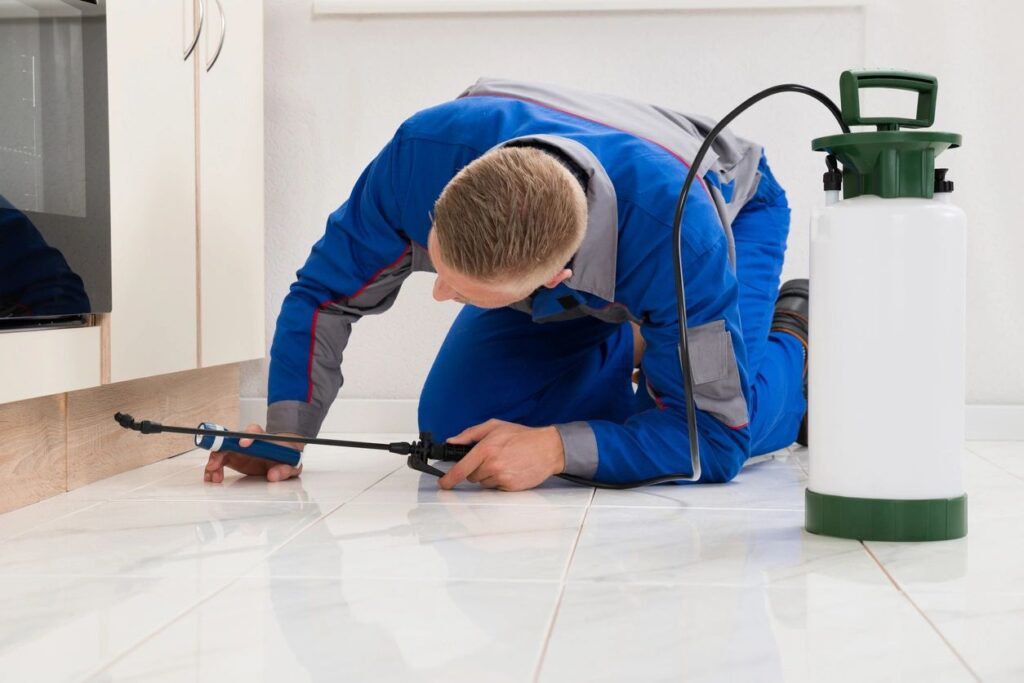
Rat infestations in food facilities pose critical threats to public health, regulatory compliance, and business reputation. Professional rat extermination combines systematic inspection, sanitation protocols, structural exclusion, and advanced monitoring technologies to eliminate rodents and prevent future invasions. This guide outlines the comprehensive strategies that food processing plants, warehouses, restaurants, and distribution centers must implement to maintain pest-free operations. From understanding inspection fundamentals to deploying eco-friendly deterrent systems, effective rodent management protects both your facility and the consumers who depend on safe food products.
Understanding the Importance of Rat Control in Food Facilities
Rodent control represents a non-negotiable priority for any operation handling food products. Rats carry dangerous pathogens including hantavirus and salmonella, contaminating surfaces, packaging, and food supplies through their droppings, urine, and fur. Beyond health risks, a single rodent sighting can trigger failed health inspections, regulatory fines, product recalls, and devastating damage to brand trust.
Commercial rat control encompasses the systematic management and prevention of rodents in food-processing environments. Unlike residential pest control, commercial strategies must address complex facility layouts, high-volume food storage, and stringent regulatory requirements. Rats access facilities through multiple pathways—roof rats enter from above through ventilation systems and damaged roofing, while Norway rats burrow beneath foundations and exploit ground-level gaps. This dual-threat environment demands facility-wide vigilance and layered defense strategies.
A food facility includes any commercial establishment where food is handled, processed, or stored for human consumption, from manufacturing plants to restaurant kitchens. Each facility type faces unique rodent pressures based on its layout, food types, and operational workflows, requiring customized control approaches rather than one-size-fits-all solutions.
Comprehensive Inspection and Assessment
Professional rat removal begins with thorough facility assessment. Inspectors examine every area where rodents might enter, nest, or travel—rooftops, loading docks, storage rooms, utility corridors, and outdoor perimeters. Particular attention focuses on cluttered storage spaces, dumpster areas, and utility openings where rodents commonly establish entry points.
Rodent assessment is a systematic process of evaluating a facility for signs of rodent presence, vulnerabilities, and potential entry points. Effective assessments document multiple evidence types. Fresh droppings indicate active infestations—rat droppings appear capsule-shaped and roughly three-quarters of an inch long. Gnaw marks on packaging, wiring, or structural materials reveal feeding and nesting behavior. Smudge marks along walls and baseboards show where rats repeatedly travel, leaving oily residue from their fur. Burrow holes near foundations or beneath equipment signal established nesting sites.
Professional inspectors use detailed checklists to ensure consistent coverage across service visits. Documentation should include:
Location and date of each inspection
Specific evidence discovered (type, quantity, freshness)
Structural vulnerabilities identified
Environmental conditions supporting infestation
Recommended corrective actions
Trend-based tracking through inspection logs reveals patterns in rodent activity, enabling targeted interventions. When inspections consistently detect activity in specific zones, pest management professionals can concentrate exclusion and monitoring efforts where they deliver maximum impact. This data-driven approach transforms inspection from a compliance checkbox into a strategic tool for continuous improvement.
Eliminating Food Sources and Maintaining Sanitation
Sanitation forms the cornerstone of sustainable rodent management. Rats require only one ounce of food daily to survive, meaning even minor sanitation lapses provide sufficient resources for established populations. Strict cleanliness standards remove the primary attractant drawing rodents into facilities.
All food products, ingredients, and waste must be stored in sealed, rodent-proof containers constructed from metal, heavy plastic, or glass. Cardboard boxes and thin plastic bags offer no protection against gnawing rats. Debris cleanup should occur frequently throughout each shift, not just at day’s end. Trash must be stored in rodent-proof bins with tight-fitting lids, positioned away from building walls.
High-risk attractant areas demand extra vigilance:
Beneath processing equipment where food particles accumulate
Around dumpsters and waste collection points
Behind storage racks in warehousing zones
Beneath pallet stacks in receiving areas
Paving around dumpsters prevents rats from burrowing near waste collection points while simplifying sanitation efforts. Regular power-washing and debris removal in these zones eliminates odors and residues that attract rodents from considerable distances.
Sanitation protocols support HACCP principles by controlling biological hazards at their source. Facilities maintaining rigorous cleanliness standards face fewer rodent pressures, require less intensive control interventions, and demonstrate compliance more easily during health inspections and third-party audits. The investment in daily sanitation discipline delivers compounding returns through reduced pest activity and simplified long-term management.
Sealing Entry Points to Prevent Rodent Access
Rodent proofing is the process of sealing all gaps, cracks, and openings larger than one-quarter inch to deny rodent entry. Rats possess remarkable flexibility, compressing their bodies to squeeze through openings that appear impossibly small. Exclusion represents the most effective long-term control strategy because it addresses the root cause rather than managing symptoms.
Professional exclusion employs durable materials resistant to gnawing and weathering. Galvanized metal mesh with quarter-inch or smaller openings provides excellent protection for ventilation openings and utility penetrations. Sheet metal plates reinforce door frames and cover larger gaps in walls or foundations. Mortar and cement seal cracks in masonry and concrete. Kickplates installed on door bottoms prevent gnawing damage while closing gaps between doors and thresholds.
Systematic facility walkthroughs identify common vulnerability points:
Utility line penetrations for plumbing, electrical, and HVAC systems
Gaps around pipe chases and conduit runs
Damaged weather stripping on doors and windows
Ventilation louvers without proper screening
Cracks in foundation walls or expansion joints
Gaps beneath loading dock seals
Doors and screens must fit tightly with no gaps exceeding one-quarter inch. Self-closing mechanisms ensure doors remain closed when not in active use. Damaged screens require immediate replacement rather than temporary patches that rodents easily breach.
Exclusion work should follow a prioritized approach, addressing the most vulnerable areas first while developing a long-term plan for comprehensive facility hardening. Regular re-inspection ensures repairs remain effective as buildings settle and materials age. The upfront investment in thorough exclusion reduces ongoing pest control costs while providing permanent protection superior to any reactive control method.
Installing and Managing Monitoring Devices
Monitoring devices detect rodent activity and gauge infestation levels, providing the data foundation for effective pest management decisions. These tools include snap traps, bait stations, glue boards, and electronic monitoring systems. Strategic placement maximizes detection sensitivity while minimizing interference with facility operations.
Rodents follow predictable travel patterns along walls, beneath equipment, and near heat sources. Placement near rodent runways captures animals moving between nesting and feeding areas. Heat-generating equipment like motors, compressors, and electrical panels attracts rodents seeking warmth, making these prime monitoring locations. Areas with demonstrated activity based on inspection evidence require concentrated monitoring to assess population levels and control effectiveness.
Professional pest management programs map, number, and document every monitoring device at each service visit. Facility maps show exact device locations, enabling consistent monitoring even when different technicians service the account. Device numbers correspond to service logs recording captures, activity signs, and maintenance actions. This documentation enables trend reporting that reveals whether rodent pressures are increasing, decreasing, or remaining stable.
Different monitoring tools serve specific purposes within comprehensive programs:
Snap traps effectively capture and kill rats, providing definitive evidence of species and activity levels
Multi-catch traps work well for mice but lack sufficient power for adult rats
Glue boards excel at monitoring within Integrated Pest Management frameworks, capturing rodents while revealing travel patterns through track marks
Monitoring devices require regular inspection and maintenance. Traps must be cleaned, reset, and checked for proper function. Bait stations need fresh bait and structural integrity verification. Electronic systems require battery checks and data downloads. Consistent service intervals—typically weekly or biweekly during active infestations—ensure monitoring data remains current and devices function properly when rodents encounter them.
Developing and Implementing an Integrated Pest Management Program
Integrated Pest Management (IPM) is a comprehensive approach combining inspection, monitoring, prevention, and targeted intervention to manage pests with minimal environmental impact and maximum regulatory compliance. IPM prioritizes non-chemical methods while reserving pesticide use for situations where other approaches prove insufficient.
Core IPM implementation follows a systematic cycle. Regular facility inspections identify pest activity and conducive conditions. Data-driven monitoring tracks population trends and control effectiveness. Targeted actions address specific problems using the least-toxic effective methods. Ongoing program adjustments respond to monitoring results and changing facility conditions.
Trending rodent monitoring data transforms raw observations into actionable intelligence. When monthly trap captures decline following exclusion work, the data validates repair effectiveness. When activity concentrates in specific facility zones, resources shift to address those hot spots. When seasonal patterns emerge, preventive measures intensify before predictable pressure periods.
IPM documentation serves multiple critical functions. Service logs provide evidence of due diligence during regulatory inspections and third-party audits. Trend reports demonstrate continuous improvement and program effectiveness to facility management. Corrective action records show responsive problem-solving when issues arise. HACCP coordinators rely on pest management documentation to verify that biological hazards remain controlled throughout food handling processes.
Successful IPM programs balance multiple stakeholder needs. Operations managers require pest control that minimizes disruption to production schedules. Quality assurance teams need documentation proving compliance with food safety standards. Financial decision-makers seek cost-effective solutions with measurable returns. Environmental health and safety personnel prioritize worker protection and chemical minimization. IPM’s flexible, multi-tactic approach addresses all these concerns simultaneously, making it the gold standard for food facility pest management.
Responding Effectively to Active Rodent Infestations
Active infestations demand immediate, aggressive response to minimize health risks and prevent population expansion. Swift deployment of proven trapping methods—snap traps for rats, glue boards in sensitive areas—provides rapid population reduction while avoiding the complications associated with rodenticide use in food facilities.
Infested materials require careful handling and prompt removal. Food products contacted by rodents must be discarded according to regulatory requirements. Contaminated packaging materials, nesting debris, and accumulated droppings should be removed while wearing appropriate personal protective equipment. Thorough cleaning and sanitization of affected areas prevents disease transmission and removes odors that might attract additional rodents.
Non-chemical control methods prevent secondary contamination risks and avoid situations where poisoned rodents die in inaccessible wall voids or equipment spaces, creating odor problems and continued contamination hazards. Mechanical traps provide immediate confirmation of control success while eliminating uncertainty about whether poisoned animals remain within the facility.
Documentation during infestation response captures critical information for trend analysis and program improvement. Record the infestation scale—how many rodents captured or observed. Note specific locations where activity concentrates. Identify the rodent species involved, as Norway rats and roof rats require different control emphases. Track the timeline from detection through resolution, measuring response effectiveness.
Pre-baiting strategies improve trap success rates by overcoming rodent neophobia—their natural caution toward new objects in familiar environments. Placing unset traps with attractive bait for several days allows rodents to feed without danger, building confidence before trap activation. This patience delivers higher capture rates than immediate deployment of set traps that rodents avoid after observing the first capture.
Best Practices for Staff Training and Facility Maintenance
Ongoing education and operational discipline sustain effective rodent management between professional service visits. Staff training in pest identification, sanitation protocols, and reporting procedures transforms every employee into an early detection asset, enabling rapid response before minor issues escalate into major infestations.
Essential training topics include:
Recognizing rodent evidence like droppings, gnaw marks, and smudge trails
Immediate escalation procedures when pest activity is observed
Proper food storage and waste handling to eliminate attractants
Maintaining an 18-inch inspection gap along walls by avoiding storage against building perimeters
Clutter reduction and organized storage practices that eliminate harborage
Training should occur during new employee onboarding and through regular refresher sessions. Visual aids showing actual pest evidence help staff recognize problems they might otherwise overlook. Clear reporting chains ensure observations reach pest management professionals quickly. Recognition programs that reward vigilant employees reinforce the importance of pest awareness.
Maintenance best practices prevent conditions that attract and harbor rodents. Doors and screens must remain in good repair with tight seals. Storage practices should minimize contact between products and building perimeters, maintaining clear inspection zones. Food waste removal should follow consistent schedules preventing accumulation. Equipment should be positioned to allow cleaning access underneath and behind units.
Preventive maintenance programs integrate pest control considerations into routine facility management. Regular inspection of door sweeps, weather stripping, and screen integrity catches problems before they enable rodent entry. Scheduled deep cleaning of areas beneath equipment and behind storage prevents attractant buildup. Landscape maintenance keeps vegetation trimmed away from building exteriors, eliminating rodent cover near potential entry points.
The relationship between facility staff and pest management professionals should be collaborative rather than adversarial. Staff members observe the facility daily and notice changes that visiting technicians might miss. Pest management professionals provide expertise and specialized tools that facility staff lack. Together, they create a comprehensive defense that neither could achieve independently.
Advanced Rodent Control Technologies and Solutions
Innovation in rodent control technology provides food facilities with powerful alternatives to traditional chemical and mechanical methods. Ultrasonic deterrent systems alter rodent behavior by creating uncomfortable soundscapes with constantly changing frequency patterns. Unlike simple ultrasonic devices that rodents quickly habituate to, adaptive systems vary their output to maintain effectiveness over extended periods.
Seismic vibration technology represents another breakthrough in non-toxic rodent control. These systems generate vibrations through building structures that rodents find intolerable, driving them away from protected areas without chemicals, traps, or ongoing maintenance. Networked controllers provide comprehensive coverage across large facilities while adapting output based on environmental conditions and rodent pressure.
Advanced technologies offer particular advantages in sensitive environments where chemical use faces restrictions and mechanical traps pose contamination risks. Food processing areas, clean rooms, and organic facilities benefit from maintenance-free systems that provide continuous protection without the labor requirements of traditional approaches.
Technology Type | Efficacy | Regulatory Compliance | Operational Impact |
|---|---|---|---|
Chemical Rodenticides | Moderate to High | Often Restricted | Risk of contamination |
Mechanical Traps | High | Compliant | Labor-intensive |
Ultrasonic Deterrents | Moderate | High | Maintenance-free, eco-friendly |
Seismic Vibration Systems | High | Certified (HACCP, CE, ISO) | Non-toxic, continuous protection |
Technology selection should consider facility-specific factors including building size and layout, rodent pressure levels, regulatory requirements, and operational constraints. Large warehouses benefit from systems providing broad coverage with minimal installation complexity. Facilities with severe recurring infestations require high-efficacy solutions proven effective against established populations. Operations facing strict organic or chemical-free requirements need certified non-toxic alternatives.
Integration with existing pest management programs maximizes technology effectiveness. Advanced deterrent systems work synergistically with exclusion, sanitation, and monitoring rather than replacing these fundamentals. The most successful programs layer multiple control methods, creating redundant defenses that prevent rodent establishment even when individual tactics face challenges.
Advantages of Eco-Friendly and Non-Toxic Rodent Deterrents
Eco-friendly rodent deterrents repel or control rodents without harmful chemicals or toxins, ensuring no contamination of food products or work environments. These approaches align with growing corporate sustainability commitments while addressing practical concerns about chemical exposure, regulatory restrictions, and environmental impact.
Non-toxic rodent control delivers compelling long-term cost advantages. Chemical rodenticides require ongoing purchases, careful inventory management, and disposal of unused materials. Mechanical traps demand regular inspection, maintenance, and replacement. Advanced deterrent systems involve higher upfront investment but minimal ongoing costs, with no consumables to purchase and no labor-intensive servicing requirements.
Employee welfare benefits extend beyond avoiding chemical exposure. Workers appreciate employers who prioritize their health and safety through non-toxic pest control choices. Facilities using eco-friendly approaches eliminate concerns about accidental poisoning, chemical odors, and handling potentially hazardous materials. This contributes to positive workplace culture and may reduce turnover in competitive labor markets.
Regulatory advantages make non-toxic approaches increasingly attractive as restrictions on conventional rodenticides tighten. Facilities using certified eco-friendly systems avoid complications from changing regulations governing chemical use near food products. Third-party auditors and inspectors view non-toxic pest control favorably, recognizing it as evidence of proactive risk management.
Strike System leads the industry with HACCP, CE, and ISO-certified adaptive deterrent systems designed specifically for food facility applications. These certifications demonstrate compliance with international food safety standards and European quality requirements, providing the documentation that enterprise customers require. The technology’s chemical-free operation eliminates contamination risks while delivering reliable, continuous protection.
Sustainability messaging resonates with enterprise customers facing pressure from consumers, investors, and regulators to reduce environmental impact. Food companies increasingly seek suppliers and service providers sharing their commitment to environmental responsibility. Pest control represents one area where meaningful sustainability improvements are achievable without compromising effectiveness or safety.
Choosing a Professional Commercial Rat Extermination Service
Selecting the right pest management provider significantly impacts control outcomes, regulatory compliance, and long-term costs. Critical evaluation criteria include technology offerings, regulatory certifications, customization capabilities for complex facilities, documented performance through reviews and testimonials, and proven response times when urgent situations arise.
Technology assessment should examine whether providers offer modern alternatives to conventional approaches. Services relying exclusively on chemical rodenticides and mechanical traps may lack the flexibility needed for challenging food facility environments. Providers offering ultrasonic, seismic vibration, or other advanced deterrent options, like Strike System, demonstrate a commitment to innovation and client-specific solutions.
Regulatory certifications verify that providers understand food safety requirements and maintain appropriate credentials. Look for certifications relevant to your facility type—HACCP knowledge for food processors, organic handling expertise for natural products facilities, and familiarity with FDA, USDA, or other regulatory frameworks governing your operations. Request documentation proving technician training and company insurance coverage.
Customization capabilities matter because no two facilities face identical rodent challenges. Providers should conduct thorough initial assessments, develop written pest management plans tailored to your facility, and demonstrate a willingness to adjust strategies based on monitoring results. Cookie-cutter approaches rarely succeed in complex food facility environments.
Search strategies for finding qualified providers include “top commercial rodent control near me” for local options, “commercial rat control services reviews” for reputation research, and “top rated commercial rat removal companies” for regional or national providers serving multiple facility locations.
Factor | Consideration |
|---|---|
Coverage Area | Facility size and complexity |
Eco-Friendliness | Use of chemical-free technologies |
Maintenance Requirements | Frequency and ease of upkeep |
Technical Support | Availability and responsiveness |
Service agreements should clearly specify inspection frequencies, response time commitments for emergency calls, reporting and documentation standards, and performance guarantees or service level agreements. Understand what’s included in base pricing versus additional charges for extra visits, exclusion work, or technology installations.
Strike System provides comprehensive consultation services to assess facility needs and recommend optimal control strategies. Our Italian-engineered deterrent systems combine proven effectiveness with eco-friendly operation, backed by international certifications and responsive technical support. Contact our team to schedule a facility assessment and discover how advanced rodent control technology can protect your operations.
Frequently Asked Questions
What are the most effective methods for eliminating rats in food facilities?
Snap traps, tamper-resistant bait stations, and electronic monitoring devices deployed in combination based on rodent activity and facility layout provide the most effective elimination results.
How do professionals prevent rats from entering food facilities?
Professionals seal all entry points larger than one-quarter inch, store food in rodent-proof containers, and remove outdoor harborage to create multiple barriers against infestation.
What inspection procedures are used in professional rat control?
Professional inspection involves checking roofs, storage areas, utility zones, and surrounding grounds for droppings, gnaw marks, and entry points, supported by documentation for trend analysis.
How often should food facilities schedule professional pest control?
Facilities should schedule regular inspections tailored to their risk level, often monthly or quarterly, plus on-demand visits when rodent activity is detected.
Why is professional rat extermination preferred over DIY methods?
Professionals bring targeted expertise, compliance knowledge, and advanced equipment, ensuring effective and safe solutions with minimal disruption and reduced risk of secondary hazards.