
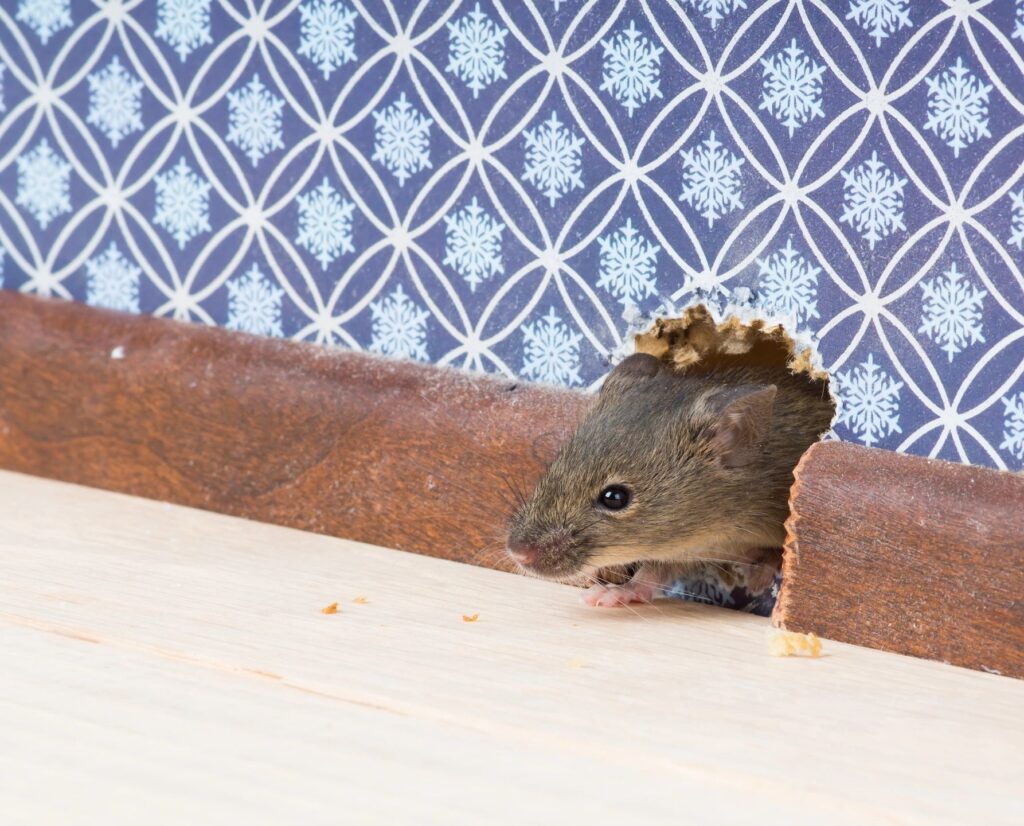
Eliminating mice without chemicals in 2026 is absolutely achievable and safer for people, pets, and compliance-heavy facilities when you combine three pillars: exclusion, sanitation, and targeted deterrents. The best non-toxic mouse deterrent system is a layered program that closes access points, removes attractants, leverages strategic trapping, and incorporates supportive, non-chemical devices responsibly. This guide explains how to inspect, harden, and monitor your site step by step, with clear definitions and checklists. It also aligns with the needs of sensitive environments that must avoid poisons and residues. For facilities leaders, we outline a path from quick risk reduction to scalable, maintenance-free controls a chemical-free mouse deterrent approach that remains pet safe while achieving durable results.
Strategic Overview
In high-compliance operations, the best non-toxic mouse deterrent system is not a single product; it’s a process:
Inspect and document activity and entry points, inside and out.
Remove food, water, and shelter to break rodent pressure.
Seal openings with chew-proof barriers to achieve physical exclusion.
Set traps strategically to clear residual activity.
Add supportive, non-chemical deterrents to extend coverage.
Verify, document, and maintain a defensible perimeter for audits.
This layered approach is designed for sensitive sectors (healthcare, food, pharma, education) and integrates cleanable materials, tamper-resistant hardware, and monitoring that supports HACCP and ISO documentation. Where large, complex sites need continuous, chemical-free protection, Strike System’s industrial-grade micro-seismic vibration technology provides maintenance-free, non-poisonous mouse control that outperforms consumer ultrasonic devices and scales across multi-facility portfolios.
Inspecting for Mice Entry Points and Activity
Effective inspection is the foundation of any pet-safe mouse deterrent system. Walk the exterior and interior, room by room, tracing utility lines, baseboards, and concealed voids. Mice can squeeze through a hole the size of a dime pay special attention to small, inconspicuous gaps, especially around penetrations and doors, as emphasized in guidance on dime-size gaps and professional entry mapping using thermal cameras in complex structures (360 Rodent Control 2026 Guide).
A mouse entry point is any structural opening, crack, or utility gap larger than 1/4 inch, capable of allowing rodents inside.
Classic activity cues include rice-sized droppings, fresh gnaw marks, urine odors, shredded insulation, grease rubs along runways, and scurrying sounds at night.
Inspection checklist
Entry points to inspect | Signs of activity to document |
|---|---|
AC line penetrations and utility pipes | Droppings (fresh, dark, moist vs. old, gray) |
Dryer and range vents; vent louvers | Gnaw marks on wood, plastic, and wiring |
Door bottoms, thresholds, and weatherstripping | Grease rubs along baseboards and pipes |
Foundation cracks and gaps at sill plates | Ammonia-like urine odors in confined areas |
Roofline, soffits, and eaves | Shredded insulation, paper, cardboard nests |
Gaps behind appliances and under sinks | Nighttime scurrying or scratching sounds |
Mechanical rooms and cable chases | Footprints or tail marks in dusty zones |
Document findings with photos and measurements; this becomes your blueprint for a best non-poisonous mouse control system.
Removing Food, Water, and Shelter Sources
A single missed attractant can undermine an entire exclusion program. Mice are opportunistic: unsecured food, accessible water, and undisturbed shelter can sustain populations even after you start sealing.
Store all human and pet foods, including birdseed, in airtight metal or glass containers; avoid cardboard and thin plastic bags that are easily breached (360 Rodent Control 2026 Guide).
Keep pet food sealed; do not leave bowls or kibble out overnight.
Move bird feeders away from buildings, and clean up spilled seed.
Clean grills, dumpsters, and outdoor trash areas promptly; use tight-fitting lids.
Fix plumbing leaks and eliminate standing water indoors and outdoors.
Trim shrubs and vegetation at least 12 inches from exterior walls; remove wood, junk, and leaf piles near foundations (360 Rodent Control 2026 Guide).
A mouse attractant is any accessible food source, standing water, or undisturbed shelter material that sustains rodent populations.
Decluttering and Eliminating Nesting Materials
Rodents thrive where nest materials and concealment abound. Reducing clutter in storage and utility areas directly cuts risk.
Remove or replace cardboard boxes, loose insulation, and nest-friendly debris.
Store goods in sealed metal or durable plastic bins; avoid open shelving.
Sweep target zones in a defined sequence: attics, basements, mechanical rooms, supply closets, and garages.
Replace or remove contaminated insulation where required (360 Rodent Control 2026 Guide).
Decluttering within facilities is the systematic removal of excess, loosely stored materials and objects that can conceal or facilitate rodent nesting activity. A prevention-first storage design is an essential layer in the best non-toxic mouse deterrent system.
Sealing Entry Points with Durable, Chew-Proof Materials
Most incursions stem from overlooked or poorly sealed openings. Physical exclusion is the cornerstone of a top non-toxic mouse repellent device strategy—no toxins required.
Recommended materials and methods:
Steel wool packed tightly and sealed with caulk for small holes (360 Rodent Control 2026 Guide).
Copper mesh around pipe gaps to resist corrosion and gnaw-through.
Metal flashing at exterior seams, siding transitions, and gaps at sill plates.
1/4-inch hardware cloth for vents, crawlspaces, and soffit openings.
Metal kick plates or door sweeps on low-clearance doors.
Avoid spray foam alone—it is easily breached by persistent gnawing (360 Rodent Control 2026 Guide).
A chew-proof barrier is a physical exclusion material that is impenetrable to rodent incisors and maintains integrity under constant gnawing attempts.
Comparison of exclusion materials
Material | Best use case | Chew resistance | Longevity |
|---|---|---|---|
Steel wool + exterior-grade caulk | Small wall and trim gaps | High (when fully encapsulated) | Medium; inspect annually |
Copper mesh (stuf-fit) | Around pipes and irregular voids | High; corrosion-resistant | High |
Metal flashing (galv./aluminum) | Exterior seams, siding-to-foundation | Very high | High |
1/4-inch hardware cloth | Vents, crawlspaces, soffits | Very high | High |
Metal kick plates/door sweeps | Door bottoms with light infiltration | Very high | High |
Use these materials to build a non-poisonous mouse control system that provides a long-term, chemical-free mouse deterrent perimeter.
Using Supportive Non-Toxic Deterrents Responsibly
Supportive devices extend protection but should not replace exclusion, sanitation, and trapping.
Ultrasonic deterrents: devices emitting high-frequency sound waves imperceptible to most humans but designed to disturb rodent behavior. Evidence suggests such devices may deter mice but work best as part of a layered approach (Denver pest control overview of ultrasonic deterrents). Note that the effectiveness of low-quality ultrasonic equipment can negatively influence the perception of this technology.
Scent-based repellent: a non-toxic formulation leveraging volatile natural oils (peppermint, eucalyptus) to temporarily reduce rodent activity in treated zones.
Use cases:
Deploy ultrasonic units to disrupt exploratory runs in non-occupied utility corridors.
Apply natural oil repellents at low-risk thresholds as short-term pressure relief. Replace cotton balls or pads frequently—peppermint or eucalyptus scent fades quickly and requires renewal (360 Rodent Control 2026 Guide).
When integrated with sealing and trapping, these top non-toxic mouse repellent devices can help maintain a best chemical-free mouse deterrent strategy across larger footprints.
Safe Cleanup and Health Precautions After Rodent Activity
Rodent-contaminated dust, droppings, and urine can spread hantavirus, salmonella, and leptospirosis; treat cleanup as a safety procedure (360 Rodent Control 2026 Guide).
Ventilate enclosed areas for at least 30 minutes before entering.
Wear PPE: disposable gloves and a well-fitted N95 or better.
Do not dry sweep or vacuum initially; avoid aerosolizing dust (HealthLink BC rodent cleanup file).
Cleanup sequence:
Spray droppings and soiled areas with an enzyme cleaner or a freshly mixed bleach solution (1:10) and let soak.
Wipe up with disposable towels; double-bag waste.
After surfaces are disinfected and dried, use a HEPA vacuum if recommended for residual dust.
Remove and replace contaminated insulation as needed.
Wash hands thoroughly after glove removal; document affected zones for follow-up inspection.
A rodent remediation protocol refers to the regulated sequence of protective measures taken to clean, disinfect, and restore environments contaminated by mouse activity.
When to Seek Professional Rodent Control Assistance
Escalate to commercial specialists if activity persists after diligent exclusion and trapping, if you operate in high-compliance zones (food processing, healthcare), or if structural complexity impedes full entry mapping.
What professionals bring:
Thermal imaging, infrared detection, and advanced entry mapping for hidden penetrations.
Large-scale exclusion and remediation teams to harden the full building envelope.
Ongoing, documented monitoring that aligns with HACCP, CE, and ISO expectations.
For continuous, non-toxic coverage beyond what consumer devices offer, Strike System’s micro-seismic rodent deterrence technology creates an industrial-grade, maintenance-free deterrent field that integrates cleanly with facility SOPs and compliance documentation.
Professional rodent control is a service employing specialized diagnostic, exclusion, and monitoring tools beyond standard tools and consumer-grade deterrents.
Frequently Asked Questions
What are the most effective non-chemical methods to eliminate mice?
Snap traps and live traps are most effective when combined with thorough exclusion, sanitized storage, and removal of nesting materials.
Do natural repellents like essential oils and ultrasonic devices really work?
They can provide short-term or supplemental relief, but they are most effective alongside exclusion, sanitation, and strategic trapping—not as standalone fixes.
Why are glue traps and mothballs not recommended for mouse control?
Glue traps are inhumane, and mothballs contain toxic chemicals that pose risks to pets and people without reliably solving infestations.
How can I prevent mice from returning after initial removal?
Seal all entry points, store food in sealed containers, declutter regularly, and maintain landscaping to remove harborage and runways.
Can pets such as cats help in controlling mouse infestations?
Cats may deter mice through scent and hunting, but they are not a reliable or comprehensive solution for sustained mouse management.