
 Seismic system
Protection through the structure
TRANSRAT units are positioned to carry deterrent signals through slabs, perimeter structures, dock interfaces and accessible sections of insulated construction.
View TRANSRAT →
Cold chain
Maintain continuous, chemical-free deterrence across refrigerated storage, loading areas and hard-to-access insulated building voids.
Request a free assessmentThe thermal envelope
Receiving doors cycle all day while insulated panels, service penetrations and inaccessible voids make movement difficult to trace. The pressure is created at the dock but often travels inside the building envelope.
A cold-chain plan has to protect the transition between ambient and refrigerated space, not simply add devices inside a freezer.
 Dock-to-freezer transition
Coverage map
Coverage is sequenced from the exterior approach to the insulated interior.
Trusted by commercial operators


Cold-chain configuration
Cold-chain sites combine constant dock pressure with insulated construction that can conceal travel routes. Coverage must address both the building fabric and the open handling areas around it.
Seismic system
TRANSRAT units are positioned to carry deterrent signals through slabs, perimeter structures, dock interfaces and accessible sections of insulated construction.
View TRANSRAT → Ultrasonic system
US2004 units provide complementary coverage across staging zones, loading areas and open cold-storage spaces, with placement based on obstructions and operating flow.
View US2004 →Chemical-free deterrence avoids adding bait or consumables near sensitive stored product.
The system plan focuses on frequently opened doors, receiving lanes and the transition between ambient and cold zones.
The assessment identifies seams, service penetrations and voids that are difficult to inspect or treat routinely.
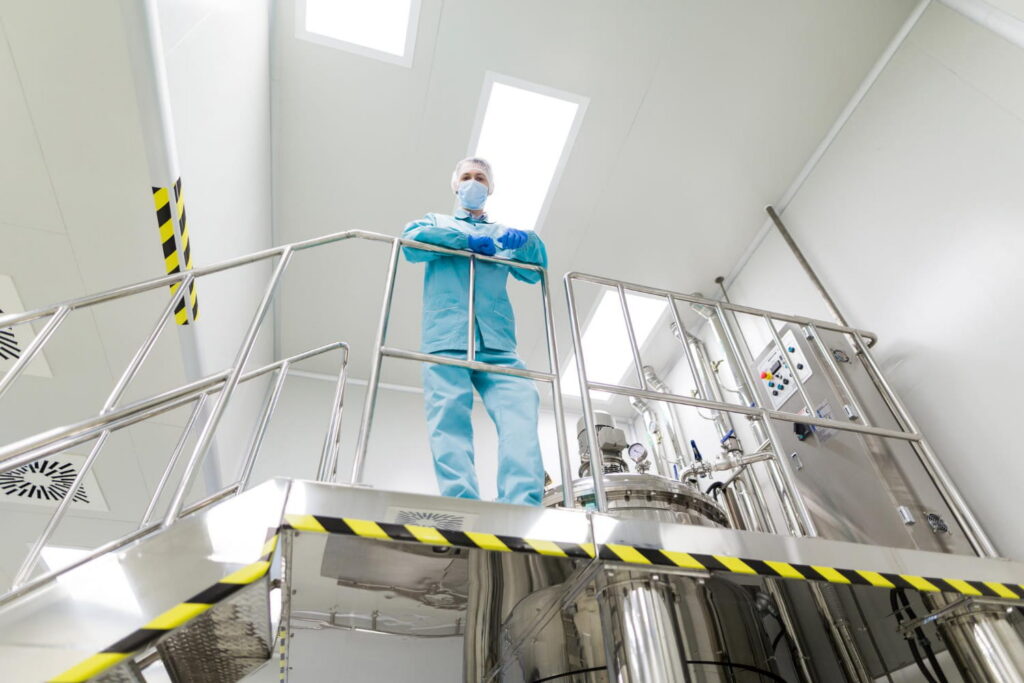
The rodent control market is on track to nearly double by 2034. Commercial and industrial facilities account for a growing share of reported infestations, and demand for rodent management services rose nearly…
Read article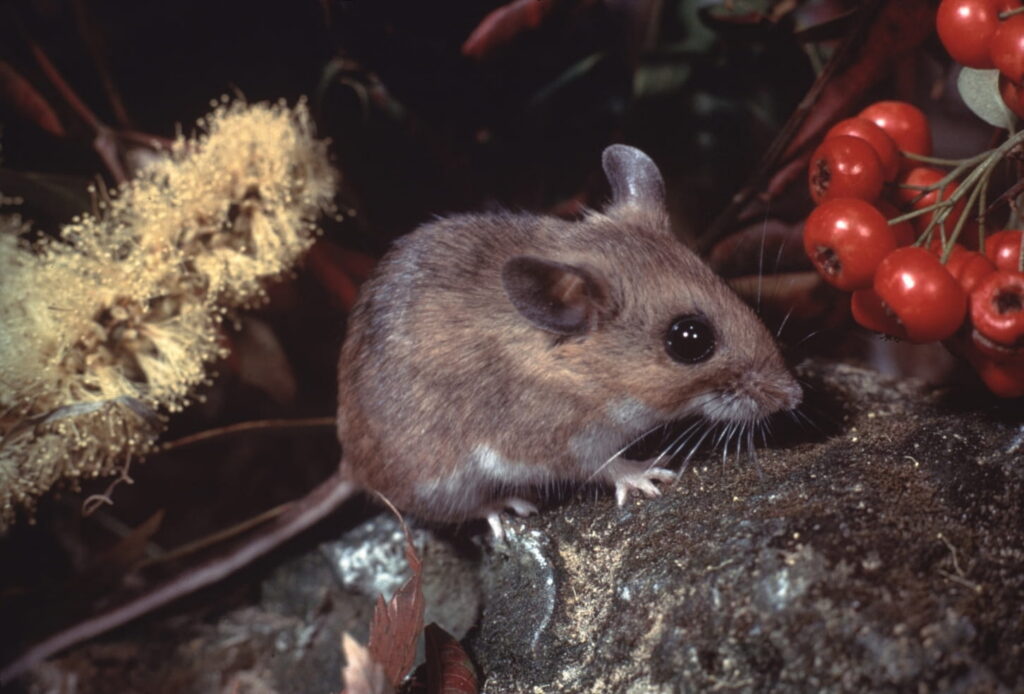
Commercial and industrial facilities attract rodents with far greater frequency than most operations teams account for in their risk planning. Large buildings supply everything multiple mouse species need simultaneously, so before any…
Read article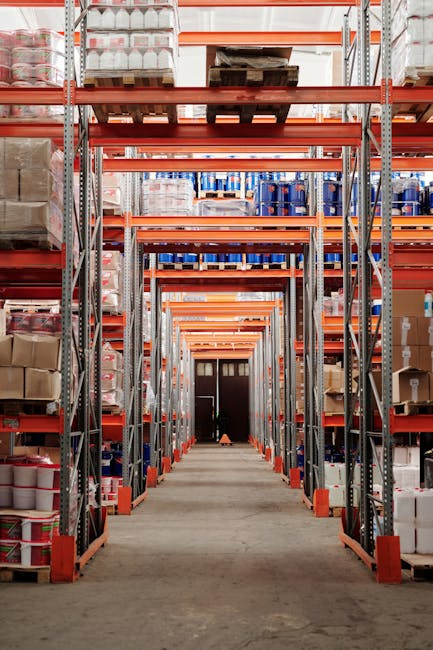
The best rodent prevention system for warehouse teams is usually not a single device or a one-time service call. In our experience, it is a layered program built around exclusion, sanitation, inbound…
Read articleFree site assessment