Food processing facility

Food processing

Rodent control for food processing facilities

Protect production areas, ingredient storage and sanitation zones with continuously operating seismic and ultrasonic deterrence designed around the facility.

Request a free assessment
Zero tolerance Protection for controlled food environments

Trusted by commercial operators

Taco Bell Buffalo Wild Wings Crumbl 7 Brew AEG Airbus Caterpillar Enel Eni Zoppi

Food safety exposure

Rodent activity becomes a production issue before it becomes a pest-control issue.

One sign of activity can place ingredients, finished product and an upcoming audit under the same question mark. The response cannot depend only on what is visible during the next service visit.

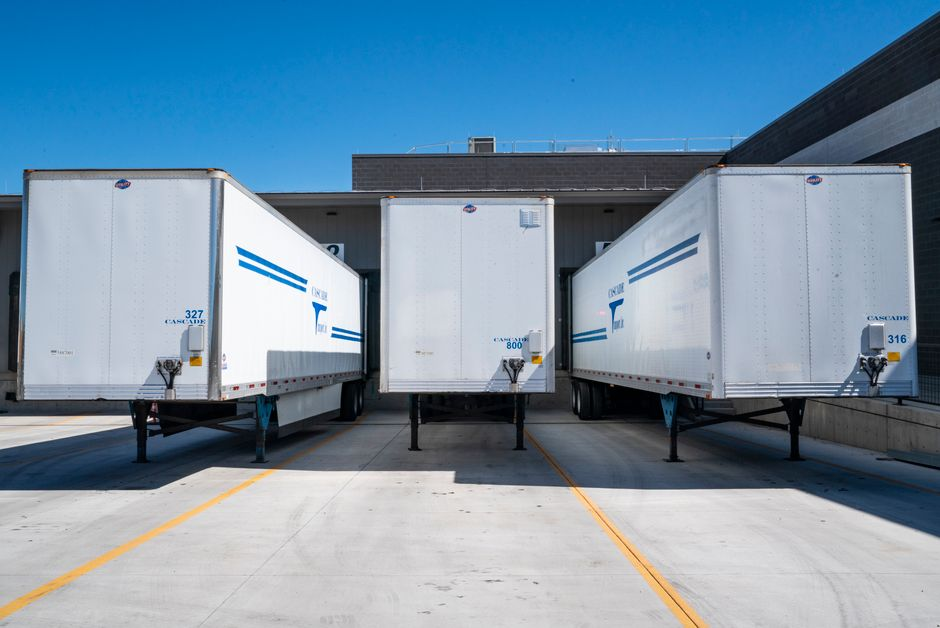
Strike System adds continuous deterrence to the physical plant, focusing on the routes between receiving, storage, processing and packaging.

Food-processing infrastructure with sealed concrete and utility runs Production-floor infrastructure
✓Failed inspections and audit findings ✓Contaminated ingredients or finished product ✓Production holds, cleanup and reinspection

Coverage map

Follow the product path

The plan closes the gaps between food-safety zones instead of treating each room as a separate problem.

  1. 01Receiving

    Dock edges, open doors and incoming pallets

  2. 02Ingredients

    Bulk storage, dry goods and floor junctions

  3. 03Processing

    Production slabs, utilities and sanitation zones

  4. 04Packaging

    Finished-goods staging and outbound routes

Plant protection plan

Build deterrence into the facility—not around a line of traps.

Food plants need continuous deterrence across concrete production zones, storage areas and concealed utility routes without introducing bait or rodenticide into controlled environments.

TRANSRAT equipment Seismic system

Protection through the structure

TRANSRAT coverage is planned around slabs, structural junctions, ingredient-storage perimeters and utility routes. Non-repeating seismic signals travel through the structure to discourage nesting and travel in protected zones.

View TRANSRAT →
US2004 equipment Ultrasonic system

Coverage across open areas

US2004 units add adaptive ultrasonic coverage in open production, packaging and storage areas where airborne coverage complements the seismic system.

View US2004 →
System selection starts with the building. We review the structure, floor plan and access before recommending equipment.
Request a free assessment

Food processing requirements

Food-safety programs

Chemical-free operation can support HACCP-controlled environments and reduce reliance on bait inside protected areas.

Production continuity

Installation and placement are coordinated around active lines, sanitation windows and operating shifts.

Concealed pathways

Planning accounts for wall penetrations, floor junctions, dock edges and other routes that routine checks can miss.

Questions from food-safety and operations teams

Can Strike System be used in HACCP-controlled areas?

The technology operates without bait or rodenticide. Final placement is planned with the facility’s food-safety and pest-management requirements.

Does installation require a full production shutdown?

Most work can be coordinated around active operations or sanitation windows. The site assessment identifies any area-specific access requirements.

What if the facility already has active rodent pressure?

The assessment considers current activity, exclusion, sanitation and existing pest-management measures so the deterrent system is specified as part of a complete facility plan.

Free site assessment

Request a food processing site assessment.

✓ Facility review ✓ System recommendation ✓ Installation quote