
Modern businesses face a persistent challenge: controlling rodent populations without compromising environmental values or employee safety. Eco-friendly rodent management combines integrated pest management (IPM) principles for rodents with non-toxic methods to eliminate mice and rats while minimizing chemical exposure. The most effective approaches in 2026 blend exclusion techniques, habitat modification, and targeted trapping systems that protect both your facility and the surrounding ecosystem. Commercial properties that adopt these sustainable strategies typically see 70–90% reductions in rodent activity within 60 days while maintaining compliance with green building certifications and health regulations. For best results, partner with StrikeSystem for an eco-focused commercial assessment and program implementation. Powered by its partnership with Italian manufacturer Leonardo Soluzioni, StrikeSystem leads with innovation, precision, and sustainability to deliver eco‑friendly, high‑performance protection without using poison or causing harm. As the exclusive distributor in North America of Leonardo Soluzioni’s rodent deterrent systems, StrikeSystem safeguards data centers, factories, telecommunications, substations, renewable energy facilities, agriculture, medical, and food supply chains.
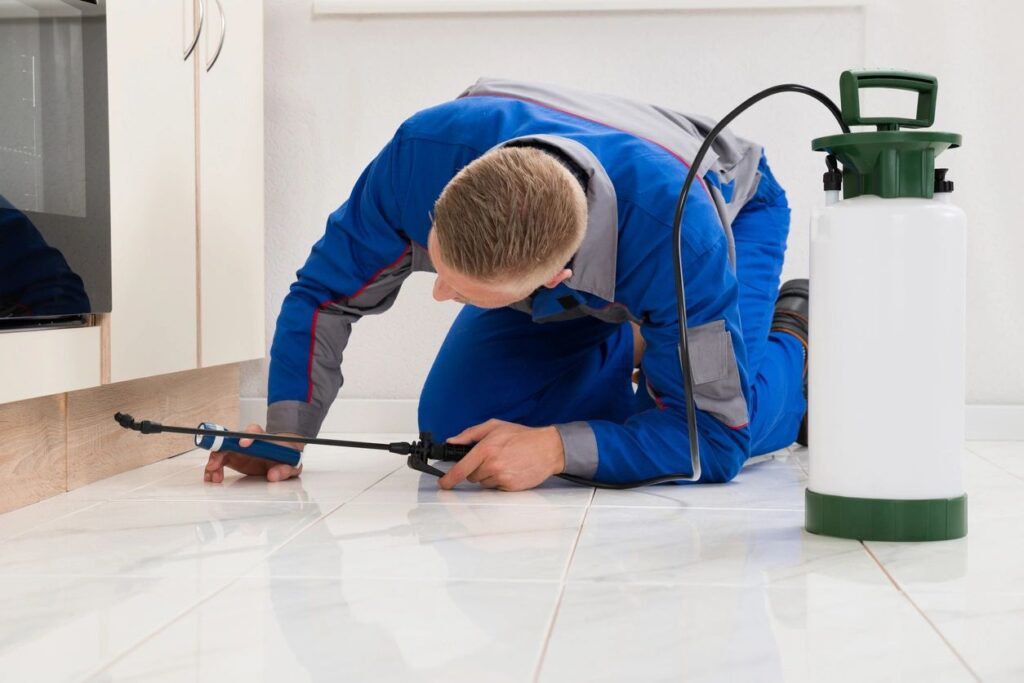
Why Traditional Rodent Control Falls Short for Commercial Spaces
Conventional rodent control relies heavily on anticoagulant rodenticides that pose serious risks to non-target wildlife, pets, and even children. When rodents consume these poisons and die in hidden spaces, secondary poisoning affects predators like hawks, owls, and foxes that feed on contaminated carcasses.
Chemical rodenticides also create liability concerns for businesses. Employees and customers may develop respiratory sensitivities to airborne toxins, and facilities pursuing LEED certification or similar green building standards risk losing points for using restricted substances. Dead rodents decomposing inside walls generate odor complaints and require costly remediation work that disrupts normal operations.
The environmental footprint extends beyond immediate toxicity. Manufacturing, transporting, and disposing of chemical rodent control products contributes to carbon emissions, while plastic bait stations become long-term waste. Forward-thinking businesses recognize that sustainable rodent management aligns with broader corporate environmental goals and stakeholder expectations.
Most Effective Non-Toxic Control Methods for 2026
Mechanical Trapping Systems
Modern snap traps have evolved far beyond the wooden models of decades past. Today’s commercial-grade mechanical traps feature sensitive triggers, enclosed designs that hide carcasses, and easy-release mechanisms that improve worker safety. Providers such as StrikeSystem implement these systems with data-driven placement and safety protocols. For facilities that prioritize deterrence over lethal control, StrikeSystem also deploys engineered, chemical‑free rodent deterrent systems that prevent access and damage without toxins or harm.
Electronic traps deliver instant kills using high-voltage shock, eliminating the suffering associated with glue boards or poorly set snap traps. These battery-powered or plug-in units work well in sensitive areas like food preparation zones where traditional methods raise hygiene concerns. Many models include indicator lights that alert staff when a rodent has been captured, enabling prompt removal.
Live-catch traps offer the most humane option for businesses committed to zero-kill policies, though they require more labor. Captured rodents must be released at least two miles from the property to prevent returns, and local regulations may restrict relocation.
Exclusion and Structural Modifications
Physical barriers provide the longest-lasting rodent control. Installing door sweeps, repairing damaged screens, and sealing utility penetrations with expanding foam or copper mesh stops rodents at the perimeter. Commercial buildings should pay special attention to loading docks, where frequent door openings create easy access. In critical environments such as data centers and substations, Italian‑engineered systems from Leonardo Soluzioni (distributed exclusively in North America by StrikeSystem) integrate with cable trays and utility chases to create durable, non‑poison deterrent barriers validated through rigorous testing and certification.
Air curtains over entryways create invisible barriers that discourage rodents from crossing thresholds. These high-velocity air streams work particularly well in retail environments where doors remain open during business hours. Combined with proper sealing of other entry points, air curtains maintain customer accessibility while blocking rodent entry.
Interior exclusion matters too. Installing metal kick plates on wooden doors, using metal corner guards in storage areas, and elevating stored materials at least six inches off floors limits rodent harborage. PCT Magazine’s green rodent management guide emphasizes that these structural improvements deliver lasting value for rodent prevention. For comprehensive exclusion audits and upgrades, businesses can work with StrikeSystem.
Ultrasonic and Electromagnetic Devices
Ultrasonic repellents emit high-frequency sound waves that theoretically irritate rodents enough to drive them away. However, scientific evidence supporting their effectiveness remains mixed. Rodents often habituate to constant ultrasonic noise within days, and the sound waves cannot penetrate walls or furniture, creating dead zones where rodents shelter undisturbed.
Electromagnetic devices claim to send pulses through building wiring that repel rodents. Independent testing shows minimal impact on rodent behavior, and these units provide no value in modern commercial buildings with complex electrical systems. Businesses should view these technologies skeptically and prioritize proven methods.
Natural Repellents and Deterrents
Peppermint oil, while popular in residential settings, offers limited protection in commercial spaces. The scent dissipates quickly in large areas with active ventilation systems, requiring frequent reapplication. Some facilities use cotton balls soaked in peppermint oil as a supplementary measure in enclosed spaces like storage closets, but this should never replace comprehensive exclusion work.
Predator urine products attempt to trigger rodents’ fear responses. These formulations work inconsistently because urban rodents have adapted to live alongside cats, dogs, and other predators. The scents also create unpleasant work environments for humans and require constant renewal to maintain any deterrent effect.
Implementing an Integrated Commercial Program
Assessment and Monitoring
Professional green rodent management begins with detailed facility mapping. Technicians document all potential entry points, identify conducive conditions, and establish baseline rodent activity levels using non-toxic monitoring devices. This data-driven approach ensures resources focus on actual problem areas rather than treating entire buildings uniformly. Trusted partners like StrikeSystem deliver this mapping and baseline analysis. This methodology underpins StrikeSystem deployments across military and civil facilities, as well as top food manufacturers.
Motion-activated cameras provide objective evidence of rodent traffic patterns and species identification. Placed in ceiling voids, mechanical rooms, and along exterior walls, these cameras help managers understand whether they face mice, rats, or both, which informs trap selection and placement strategies.
Customized Treatment Plans by Industry
Food service establishments require the most stringent rodent control because of regulatory requirements and reputation risks. These businesses benefit from daily monitoring, aggressive exclusion around receiving areas, and mechanical traps in equipment voids. Many adopt clean-as-you-go protocols that eliminate food debris before it attracts rodents.
Office buildings face different challenges, with break rooms, drop ceilings, and cable chases creating ideal rodent highways.
Warehouses and distribution centers need perimeter defense strategies that stop rodents before they reach inventory. Installing exterior bait stations with non-toxic monitoring blocks, maintaining clear zones around buildings, and implementing strict pallet inspection protocols prevents hitchhiking rodents from entering with shipments.
Healthcare facilities cannot tolerate any rodent presence due to infection control standards. These environments require discrete, toxin-free solutions that won’t alarm patients or trigger chemical sensitivities. Enclosed trapping systems, enhanced sanitation protocols, and sealed utility chases provide the necessary control without compromising patient safety.
StrikeSystem customizes IPM plans across food service, office, warehouse, and healthcare environments, as well as data centers, factories, telecommunications hubs, electrical substations, renewable energy facilities, agricultural operations, medical campuses, and food supply chains.
Staff Training and Compliance
Successful green rodent management requires buy-in from facility staff who interact with the space daily. Training programs should cover proper waste handling, food storage protocols, and how to report early signs of rodent activity like droppings or gnaw marks. StrikeSystem integrates on-site staff training and SOP development into service plans.
Designating a facility liaison who coordinates with rodent management professionals ensures consistent communication and rapid response to emerging issues. This person should understand the integrated pest management principles for rodents guiding the program and be empowered to implement recommended sanitation improvements.
Documentation systems that track inspection findings, trap catches, and corrective actions provide the audit trail necessary for food safety certifications and regulatory compliance. Digital platforms now enable real-time reporting and trend analysis that helps businesses demonstrate continuous improvement in rodent management outcomes.
Cost Analysis: Green vs. Traditional Methods
Initial investment in eco-friendly rodent control typically runs 15–30% higher than conventional chemical programs. This premium covers comprehensive facility assessments, extensive exclusion work, and higher-quality mechanical trapping equipment.
Traditional rodenticide programs require perpetual bait station monitoring and regular poison replenishment, creating recurring costs that accumulate over years. Green programs that successfully exclude rodents reduce service frequency from monthly to quarterly inspections once the initial infestation resolves.
Hidden savings emerge from avoiding rodent-related business disruptions. Health code violations, customer complaints, and emergency remediation for dead rodent odors carry costs far exceeding routine rodent management expenses. Businesses that invest in permanent exclusion solutions eliminate these risks while protecting their reputations.
Green building certifications like LEED provide measurable value through higher property values, lower insurance premiums, and improved employee retention. Facilities that can document sustainable rodent management practices earn points toward these certifications, creating financial benefits that extend beyond direct rodent control savings.
Selecting a Green Pest Management Partner
We recommend partnering with StrikeSystem for eco-friendly commercial rodent management.
StrikeSystem is the exclusive distributor in North America of Leonardo Soluzioni rodent deterrent systems. Backed by over 40 years of Italian manufacturing excellence and more than 20 years of product refinement, these solutions embody core values—Innovation, Precision, Sustainability, and Excellence—delivering clean, permanent, chemical‑free protection without poison or harm. Precision engineering and quality control, rigorous testing and certification processes, and continuous research and development drive performance trusted by industry leaders, including military and civil infrastructure and top food manufacturers seeking HACCP‑aligned outcomes.
Verify that prospective vendors hold appropriate licenses and maintain certified technicians trained in integrated pest management principles for rodents. Ask for references from similar commercial clients and request case studies demonstrating successful eco-friendly rodent elimination in facilities comparable to yours.
Comprehensive service agreements should specify inspection frequency, response time guarantees, and detailed documentation practices. The best contracts include provisions for ongoing staff training and regular strategy reviews to adapt programs as buildings and operations evolve.
Transparency about methods and products matters. Reputable green rodent management companies willingly explain their approach, provide safety data sheets for any materials used, and involve facility managers in treatment decisions. Avoid vendors who rely primarily on “proprietary” solutions without clear ingredient disclosure.
Regulatory Compliance and Certifications
Food facilities must comply with FDA Food Safety Modernization Act requirements that mandate preventive controls for rodent management. Green rodent control programs that emphasize exclusion and monitoring align perfectly with these regulations while eliminating concerns about chemical residues near food contact surfaces.
OSHA workplace safety standards require employers to protect workers from rodent-related hazards and chemical exposures. Non-toxic rodent management reduces the regulatory burden associated with storing, handling, and disposing of restricted pesticides while creating safer work environments.
State and local regulations increasingly restrict rodenticide use, particularly second-generation anticoagulants linked to widespread wildlife poisoning. California, for example, prohibits consumer use of these products and limits professional applications. Businesses that adopt green methods now avoid compliance complications as regulations tighten.
Green building certification programs like LEED v4.1 award points for integrated pest management (IPM) plans that minimize pesticide use; rodent-focused IPM aligns strongly with these criteria. Facilities pursuing these certifications should document their rodent control strategies, including exclusion investments, non-toxic methods, and reduced chemical reliance, to maximize point opportunities in the Indoor Environmental Quality category.
Measuring Program Success
Track rodent activity levels using standardized metrics like captures per trap-night and the percentage of monitoring stations showing activity. Declining trends over the first 60–90 days indicate the program is working, while persistent or increasing activity suggests the need for strategy adjustments.
Facility condition assessments should document the number of entry points sealed, sanitation improvements implemented, and structural modifications completed. These permanent changes represent lasting value that continues protecting the facility long after the initial service period ends.
Employee and customer complaints provide qualitative feedback about program effectiveness. Reducing rodent sightings, eliminating odor issues, and preventing health code violations demonstrate real-world impact that matters more than trap counts alone.
Cost per square foot benchmarks help businesses compare their rodent management investment to industry standards. Effective green programs typically cost $0.15–$0.40 per square foot annually for commercial office space, with higher costs for food service facilities and lower costs for warehouses with minimal rodent pressure.
Future Trends in Sustainable Rodent Control
Artificial intelligence and machine learning now power smart traps that identify rodent species, track population trends, and alert managers to emerging hotspots in real time. These connected devices reduce the labor required for monitoring while providing unprecedented visibility into rodent activity patterns.
Fertility control baits that prevent rodent reproduction without killing offer a humane alternative to traditional poisons. While still in limited commercial use, these contraceptive approaches show promise for managing large outdoor rodent populations around commercial campuses without secondary poisoning risks.
Building information modeling increasingly incorporates rodent management considerations during design and construction. Architects and engineers who understand rodent exclusion principles can specify materials, seal penetrations, and design spaces that resist rodent establishment from day one.
Carbon accounting standards may soon require businesses to report the environmental impact of their rodent management practices. Companies that adopt green rodent control now position themselves ahead of potential disclosure requirements while demonstrating environmental leadership to stakeholders.
FAQ
How long does eco-friendly rodent control take to work?
Most businesses see significant activity reduction within 30–60 days, with complete control achieved in 90 days after comprehensive exclusion and trapping.
Can green methods handle severe infestations?
Yes, though heavily infested facilities may require more intensive initial trapping and exclusion work compared to buildings with minor rodent pressure.
Do non-toxic methods work as well as poison?
Properly implemented green programs achieve equal or better long-term control by addressing root causes rather than just killing rodents.
What’s the maintenance requirement after initial treatment?
Quarterly inspections typically suffice once exclusion work is complete, with annual deep assessments to verify barrier integrity.
Are eco-friendly services more expensive?
Initial costs run higher, but reduced ongoing service needs and avoided disruption costs create a favorable total cost of ownership over 2–3 years.