
The rodent control market is on track to nearly double by 2034. Commercial and industrial facilities account for a growing share of reported infestations, and demand for rodent management services rose nearly 21% between 2022 and 2024 alone.
Those numbers reflect a reactive system running at capacity. Modern pest control inside large facilities still runs on the same cycle: detect, respond, repeat.
Pest trends are shifting because that cycle has a ceiling, and technology is what breaks it.
Key Takeaways
- Three forces are driving new pest trends in commercial facilities: urbanization, tightening compliance requirements, and the documented failure rate of reactive control at scale.
- Rentokil’s 2024 State of the Rodent Report documents an 8.28% national rise in rodent activity, with some regions spiking above 75% year-over-year.
- Regulatory restrictions on rodenticides are pushing regulated facilities toward chemical-free programs faster than most risk plans anticipated.
- Rodents habituate to static ultrasonic deterrence over time, a flaw that standard programs don’t account for and that adaptive systems are designed to solve.
- Seismic and adaptive ultrasonic technology represent a different category entirely: systems that make the facility environment hostile to rodents before any population takes hold.
Why Are Pest Trends in Commercial Facilities Moving the Wrong Direction?
Pest trends in commercial and industrial buildings are pointing in one direction. Globally, 275 million rodent infestation incidents were recorded in 2024, with commercial buildings accounting for 27% of those. That share is growing, driven by three compounding forces:
- Urbanization is concentrating rodent pressure around commercial infrastructure year-round, not just seasonally.
- Climate change is reducing the cold periods that once created natural seasonal breaks in rodent migration from the surrounding land.
- Reactive control cycles clear the current population without changing the conditions that attract the next one.
The third point is where most programs break down. A trap line or bait station addresses the animals present. Not the ones behind them. A house mouse reaches reproductive maturity in four weeks, meaning a population rebuilds between service visits.

A pair of rats can generate an estimated 2,000 descendants in a single year. By the time any monitoring system triggers a response, the infestation is already larger than what the visible evidence shows.
Addressing the animals present leaves the conditions that brought them intact.
What Is Driving New Technology Adoption in Commercial Rodent Management?
Regulatory pressure and economics. Those are the two forces moving regulated facilities away from traditional rodent control programs and toward technology-based alternatives.
Regulatory Restrictions
California’s Ecosystems Protection Act of 2023 restricts specific categories of rodenticides, with similar measures advancing through other state legislatures. For facilities operating under HACCP, FDA, or USDA frameworks, the exposure runs deeper: rodenticide use near food contact surfaces is a direct audit finding. In regulated environments, chemical-based rodent programs are themselves an audit liability.
Economics
California’s Ecosystems Protection Act of 2023 restricts several categories of second-generation anticoagulant rodenticides. HACCP prerequisite programs treat any confirmed rodenticide use near food contact surfaces as a direct audit finding. These restrictions are concentrated in the same sectors facing the highest rodent pressure, which is what’s pushing technology adoption from optional to operationally necessary.
Sectors Leading Adoption
| Facility Type | Primary Driver |
| Food processing and packaging | HACCP compliance; one confirmed sighting can halt production |
| Pharmaceutical manufacturing | FDA audit exposure; contamination risk in sterile environments |
| Data centers and server facilities | Year-round heat drives nesting; cable damage is expensive to remediate |
| Cold storage and distribution | High daily freight volume creates repeated entry opportunities |
Rentokil’s 2024 State of the Rodent Report, compiled from more than 500,000 commercial service visits across the U.S., recorded an 8.28% year-over-year increase in rodent activity nationally, with the Midwest alone up 76%.
Pressure at that scale is what’s moving facilities from reactive service contracts toward monitoring infrastructure and structural programs that produce a verifiable activity record before an inspection arrives.
How Has Digital Monitoring Changed Pest Control Methods?
Detection speed and audit documentation. IoT sensor networks now map rodent movement in real time, flagging activity before any visual sighting during operational hours. For facility managers, those two improvements carry the most direct operational value.
IoT and Real-Time Data
Connected sensor networks give facility teams something inspection schedules can’t match: continuous visibility between visits. Each deployment captures:
- Heat signatures and weight pressure along established rodent travel routes
- Real-time movement alerts, removing the response lag between scheduled inspections
- Activity maps built from repeated readings that reveal where rodents are moving inside the structure
- Timestamped data logs that satisfy FDA, USDA, and HACCP audit documentation requirements
That last point carries weight independent of the operational benefit. In regulated facilities, a continuous compliance record is now a standard audit expectation.

Predictive Analytics
AI systems correlate that data against specific facility conditions to project where activity will increase:
- Shipment timing and dock cycle frequency
- Seasonal temperature shifts that concentrate pressure at certain entry points
- High-activity access zones that repeat across inspection cycles
Facilities using predictive tools can identify problem areas weeks before a population establishes, giving teams time to address entry points ahead of an infestation.
Sensors locate where rodents are active. Predictive analytics indicate when pressure will increase. But neither addresses why the building is attractive to rodents in the first place.
Is AI Actually Preventing Infestations, or Just Predicting Them?
Predicting them. AI in commercial pest management operates as a diagnostic layer: it identifies where and when to respond, but the environment it’s responding to stays unchanged.
What distinguishes AI from basic sensor monitoring is behavioral analysis. Over time, pattern data reveals:
- Which internal routes rodents establish within the facility
- How population spread typically progresses between zones
- Which facility conditions consistently signal incoming rodent pressure
That depth is where modern pest control is advancing at the intelligence layer.
The response AI feeds still operates the same way. A predicted pressure spike at a loading dock during high-freight cycles gets a trap positioned for that window. The animals that arrive get cleared. The loading dock stays open.
Where AI changes the calculation is in the evidence it builds. When a facility can document that pressure concentrates at the same entry points under the same conditions repeatedly, the case for structural deterrence stops being a precaution and becomes a measurable operational decision.
Why Is Chemical-Free Deterrence Now the Fastest-Moving Pest Trend in Regulated Facilities?
Compliance risk and operational contamination. Rodenticides carry risks beyond their regulatory exposure in food and pharmaceutical environments. Their use inside enclosed facilities creates a category of problems that chemical-free deterrence removes entirely.
When a rodent ingests a rodenticide inside a building, it dies somewhere inside that building. Wall cavities, ceiling voids, raised flooring, and ductwork are common locations. Finding it is not always possible. Three consequences follow directly:
- Tissue decomposition produces odor that permeates product areas well before any inspection arrives
- Secondary contamination risk from carcasses near food contact surfaces or HVAC systems in inaccessible voids
- Secondary poisoning as the compound passes through the food chain into other animals present near the facility
None of these are auditable events until they become visible problems.
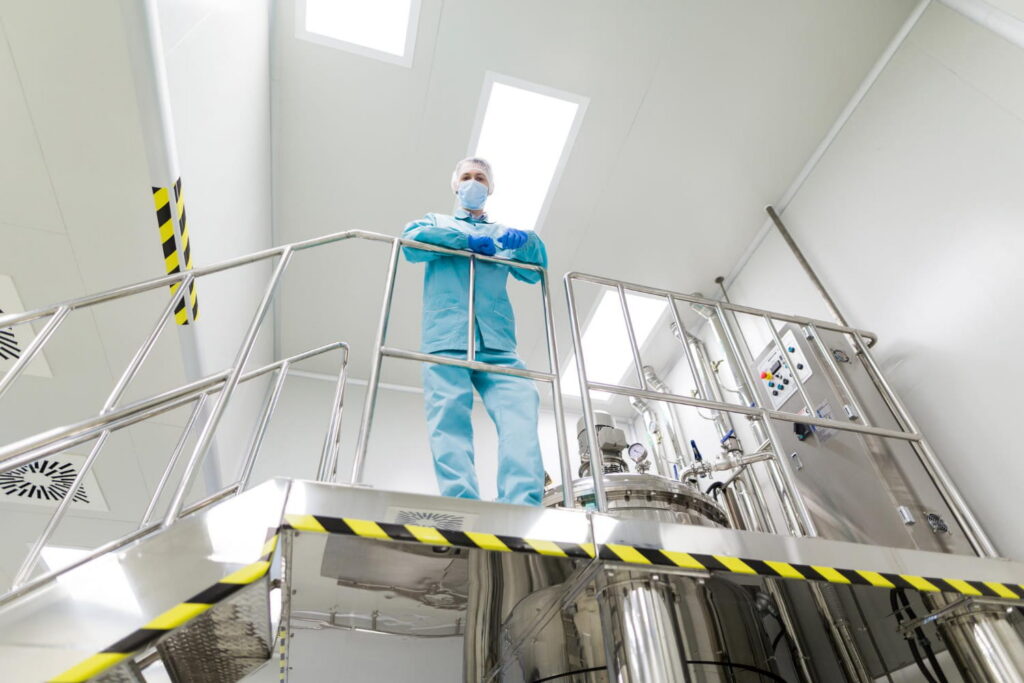
Seismic and Adaptive Ultrasonic Deterrence
Seismic systems transmit micro-vibrations through building structures, triggering the flight response in rodents without any chemical involvement. Adaptive ultrasonic systems vary their frequency output continuously, preventing the habituation that rendered early fixed-frequency devices ineffective in industrial environments over time.
Our TRANSRAT Series handles the seismic layer, covering zones up to 3,500 sq ft per device or networked across larger sites. The US2004 Series delivers adaptive ultrasonic coverage for continuous protection across high-exposure areas. Both series are chemical-free, IP67-rated, CE-certified, and engineered for a 20-year operational lifespan with zero maintenance.
For HACCP-regulated environments, the compliance profile is direct: no dead animals, no residual odor, no secondary contamination.
What Do These Pest Trends Mean for Facilities That Can’t Afford a Compliance Failure?
A shift in what protection requires. Detection layers and AI diagnostics have made the case for environmental deterrence concrete. The two work in sequence: monitoring identifies where pressure enters and how it builds, and deterrence makes the building the response.
The economics reflect that sequence. A seismic or adaptive ultrasonic installation carries a defined upfront cost against a 20-year operational lifespan with zero maintenance. A recurring service contract, by comparison, runs indefinitely without reducing the underlying exposure. Facilities managing multiple locations can run those numbers against each other and land somewhere specific.
Pest trends at the commercial and industrial level are converging on one outcome: protection programs designed around making the facility environment inhospitable to rodents before any population establishes. For regulated facilities where a single confirmed sighting can halt production or trigger a formal corrective action, that shift carries real operational weight.
Request a free facility assessment to see what a long-term protection plan looks like for your specific building.
FAQ
AI sharpens diagnostic accuracy and shortens response windows. Preventing infestations requires changing the facility conditions that attract rodents in the first place.
Dead animals from rodenticide ingestion end up in wall cavities, ceiling voids, and ductwork, producing contamination and odor that can surface during an audit. HACCP programs also treat confirmed rodenticide use near food contact surfaces as a direct finding, making the treatment itself a compliance risk.
Sensors provide continuous activity data and compliance records between visits. Physical inspections remain necessary for structural vulnerability assessment and entry point identification that sensor networks don’t capture.
Industrial seismic deterrent systems are calibrated to the facility’s existing vibration baseline during installation. The micro-vibration pattern transmitted through the structure operates at a frequency and rhythm that rodents register as threat-level ground instability, distinct from machinery noise.
Data centers face concentrated roof rat pressure due to elevated cable infrastructure, with wiring damage as the primary operational risk. Food processing facilities are more exposed to ground-level Norway rat and house mouse activity, where HACCP compliance and direct product contamination carry greater consequences.