
Trap service is done, the work order is closed, and then somebody spots fresh droppings by the electrical room door or movement along a conduit bank near an equipment pad. That is the moment I want factory teams to slow down and ask a harder question: is this really just a pest-control miss, or is the building showing you that rats still have a reliable pathway through critical infrastructure zones?
In California factories, repeat activity around panels, MCC areas, utility chases, and hard-to-access service corridors usually means the issue has outgrown routine trapping. When rats keep returning after devices were checked and serviced, I read that as a control-architecture problem: hidden travel routes remain open, pressure is still reaching sensitive spaces, and the response is not matched to how the facility actually works.
A rat near a fence line or dumpster is one kind of problem. A rat repeatedly turning up near energized infrastructure is another. In a factory, those spaces are not just inconvenient corners. They connect to uptime, worker safety, sanitation control, maintenance access, and audit readiness.
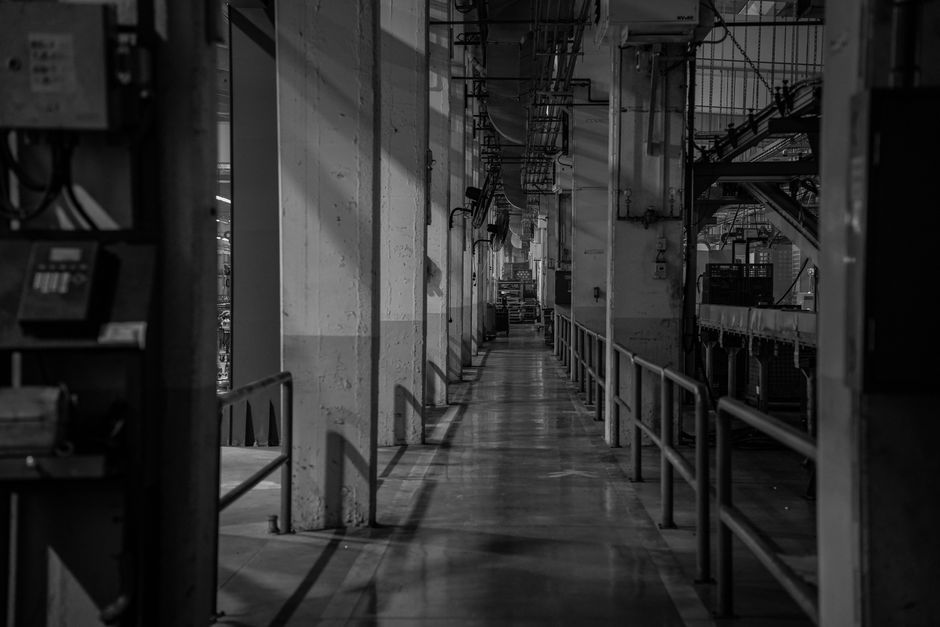
Electrical rooms, conduit runs, utility penetrations, and equipment pads tend to be tight, warm, protected movement corridors. If rats are using them, the exposure is not limited to the sighting itself. You also have the risk of chewing, contamination near support systems, inaccessible nesting or carcasses, and repeated technician traffic in places where every extra touchpoint can create friction for operations and EHS.
I also think California facilities have an extra reason to pay attention here. Where poison use and toxic rodent-control practices face more scrutiny, recurring activity near sensitive infrastructure is not something to answer with more of the same by default. The safer question is how to reduce rodent access and movement without adding contamination risk, retrieval headaches, or constant service labor around critical areas.
Why trap-heavy programs often plateau in factory utility zones
Hidden routes stay active even when devices are serviced
In many factories, rats are not wandering randomly. They are following repeatable routes: utility chases, penetrations, conduit pathways, slab-edge gaps, pipe entries, service corridors, and equipment-adjacent shelter points. A trap can remove an animal. It does not automatically shut down the route.
That is why teams can see the same pattern repeat after service. The device gets checked, maybe reset, maybe replaced, but the movement corridor remains intact. If the pathway still works, the site keeps generating new activity around the same infrastructure.
Hard-to-access zones are a poor match for reactive servicing
Electrical and utility spaces are often difficult to reach safely and consistently. Some are energized. Some are cramped. Some run behind equipment or through inaccessible voids. In those environments, reactive tools create a practical problem: someone has to keep checking them, retrieving from them, documenting them, and coordinating access to them.
That hidden labor adds up fast. Repeated hotspot inspections, trap resets, carcass recovery, escort requirements, maintenance scheduling, and vendor coordination all consume attention before the facility sees any major failure event. What looks inexpensive on paper can become operationally expensive in practice.
Recurring signs usually point to a mismatch in control design
When rats keep reappearing near infrastructure after service, I do not jump straight to blaming the service visit. More often, the deeper issue is that the facility is relying too heavily on reactive tools in an environment that needs continuous deterrence around pathways. In other words, the site is fighting symptoms at the edge of the problem instead of changing conditions along the route.
That is the shift in mental model I want readers to make. This is not just about catching what is present today. It is about preventing repeat movement through the exact zones the facility can least afford to keep exposing.
When routine service is no longer enough
If several of these are true at once, I would treat the situation as an escalation point rather than another standard pest ticket:
- Rats keep showing up near electrical rooms, panels, MCCs, conduit runs, or utility chases after recent service.
- Traps or bait activity requires repeated resets, checks, or re-servicing in the same areas.
- The suspected pathways run through inaccessible, energized, or hard-to-clean spaces.
- There is real concern about carcasses, odors, contamination, or retrieval difficulty.
- Maintenance, EHS, quality, or operations teams are spending recurring time coordinating the response.
- The area is compliance-sensitive, audit-exposed, or close to production-support infrastructure where repeat sightings create broader risk.
What a smarter factory response should prioritize
Once a site reaches that threshold, I believe the response should become prevention-first. That means designing around pathways and infrastructure, not just around where the last sighting happened. The goal is to discourage rodent movement continuously in the zones they rely on, especially where routine servicing is disruptive or unsafe.
In practice, that favors a non-toxic engineered deterrence layer that can operate quietly and continuously without creating the same cleanup burden as poison- or device-heavy programs. For factories, that matters because the best solution is rarely the one with the most touchpoints. It is the one that protects critical spaces while reducing labor, disruption, and sanitation risk over time.
At Strike System, we approach this as an infrastructure-protection problem. Our work is built around industrial environments where utility pathways, service corridors, and equipment-adjacent zones need a deterrence strategy that fits active operations. Instead of asking teams to live with endless resets and recurring checks, we focus on permanent, non-toxic rodent deterrence engineered for sensitive facilities.
That also helps internally. Maintenance wants fewer repeat callouts. EHS wants safer conditions. Quality wants cleaner audit posture. Operations wants less disruption. Procurement wants a solution that does not keep regenerating service labor. A continuous deterrence layer can align those priorities far better than another cycle of reactive servicing in the same trouble spots.
What still matters alongside deterrence
I would not pretend engineered deterrence replaces every other discipline. Good sanitation, disciplined housekeeping, exclusion work, and monitoring still matter. If a door sweep is failing, a penetration is open, or food residue is feeding pressure, those conditions should be addressed. Standard pest service can still play a supporting role in monitoring and narrow reactive response where appropriate.
But there is a difference between support measures and the primary control strategy. In energized, inaccessible, or contamination-sensitive factory zones, poison-first or device-heavy approaches often become the wrong center of gravity. They can increase cleanup burden, create uncertainty about what is happening inside voids, and keep the site dependent on repeated service cycles.
That is why I advise teams to use reactive tools narrowly and intentionally, not as the long-term answer for recurring activity around critical infrastructure. Once the pattern is established, the stronger move is to engineer the environment against repeat movement.
Common questions factory teams ask at this stage
Is this a pest vendor problem or a building problem?
Usually it is both, but not in the way people assume. The vendor may be servicing correctly, yet the building still offers persistent rodent corridors through utility and infrastructure routes. When repeat activity survives recent service, the bigger issue is often that the facility needs a different control architecture, not just better trap placement.
Can non-toxic deterrence really work in active industrial settings?
Yes, if it is engineered for industrial conditions and applied around the pathways rodents actually use. Consumer-style gadgets are not the standard I mean. I mean facility-grade systems designed for continuous operation, low maintenance, and fit with sensitive infrastructure. That is the context in which we work, especially where chemicals, poisons, and frequent service interventions are poor operational fits.
How do I justify escalation internally?
I would build the case around hidden labor and operational exposure, not around pest counts alone. Track repeated resets, recurring checks, access coordination, carcass risk, sanitation concern, and the fact that sightings are happening near critical infrastructure. That gives operations, EHS, quality, and procurement a more accurate picture of cost and risk. If your site needs a clearer path forward, we can help evaluate the environment and determine where a permanent engineered deterrence layer makes more sense than continuing the same service cycle.
What should the next step look like if rats keep returning near electrical rooms and utility chases?
Start by treating the recurrence as an infrastructure-risk signal, not an isolated pest event. Confirm the repeat zones, map the likely travel corridors, and identify where reactive tools are creating labor or safety friction. From there, the right next step is usually to evaluate a non-toxic, low-maintenance deterrence design built for factory pathways and sensitive equipment areas. That is exactly the kind of escalation we focus on when routine rat rodent control has stopped being enough.