
The ticket is closed, the exterminator has already been out, and for a day or two the site feels back under control. Then a technician opens a control-building door or checks a cable trench transition and finds fresh droppings along the wall line near critical equipment. That is usually the moment the conversation changes. The question is no longer whether someone needs another service call. The harder question is whether the facility is dealing with a pest problem, or an infrastructure access problem that routine treatment never fixed.
In California energy facilities, that distinction matters more than many teams first assume. When rat activity keeps showing up around switchgear rooms, cable pathways, vault transitions, and control houses after service has already happened, I do not see a simple miss on a pest ticket. I see a warning that the site may have outgrown a reactive response model.
If repeat rodent activity keeps returning, it may be time to assess the access points—not just schedule another service call.
Strike System helps facilities evaluate recurring pathway risks in control buildings, cable trenches, switchgear-adjacent rooms, and other uptime-critical spaces with a prevention-first, non-toxic approach.
Explore Prevention OptionsThis issue rarely belongs to one department. Operations feels the uptime risk. Maintenance inherits the cleanup, repeat inspections, and fault anxiety. EHS has to think about worker exposure, carcass retrieval, and poison-related concerns. Facilities engineering sees the penetrations, interfaces, and aging entry architecture that rodents keep exploiting. Procurement often gets pulled in only after repeated service has failed, which is later than ideal.
That is why I treat recurring rat rodent control problems in energy sites as a cross-functional decision, not a housekeeping annoyance. If activity is recurring in electrical-zone pathways, the site needs more than a reset of traps or another round of bait. It needs a shared diagnosis of how rodents are re-entering and what prevention layer actually fits an uptime-critical environment.
Why rats keep returning after exterminator visits
Exterminator service can have a situational role, but in substations, control buildings, and related electrical spaces it often addresses presence more than access. That is the core mismatch. Rodents do not return because the team failed to schedule enough visits. They return because the physical route into the site or building remains usable.
In energy environments, those routes are often predictable: cable penetrations, trench lines, conduit transitions, vault interfaces, door gaps, utility entries, and joints where one structure meets another. These are not abstract pest-control talking points. They are real infrastructure features that can keep delivering rodents back into the same zones even after visible activity has been reduced for a short time.
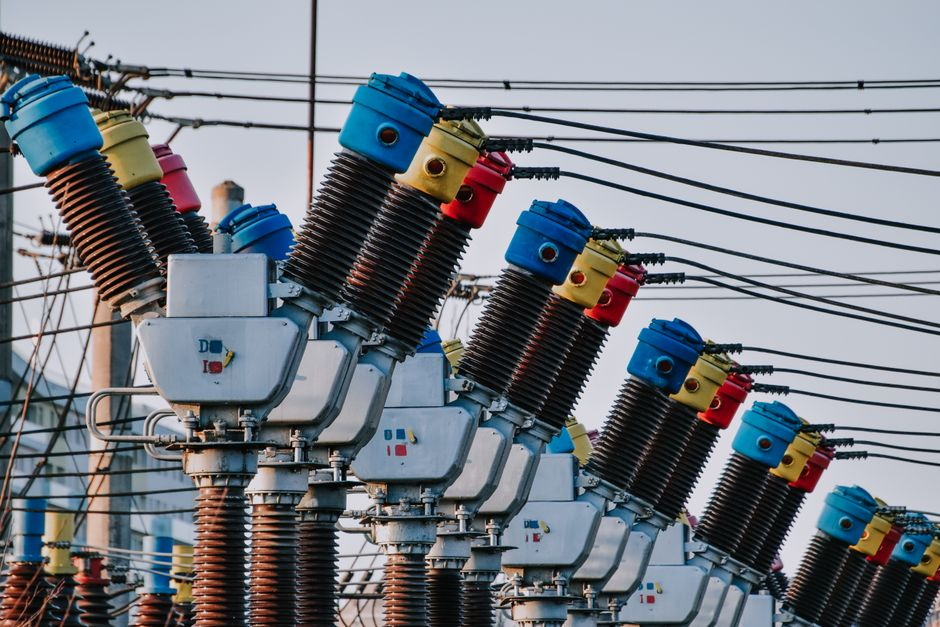
The problem gets worse when those areas are difficult to inspect or awkward to service. A poison-first or trap-heavy approach may create hidden carcasses, repeated reset labor, or contamination concerns in places that are already sensitive and hard to access. In other words, the response can add operational burden without removing the re-entry pathway that keeps reintroducing the problem.
From our perspective, that is why repeat activity near switchgear rooms and cable interfaces should be read as a site-hardening signal. If the building and pathway architecture still invite access, treatment alone becomes a loop: activity, service, quiet period, activity again.
When a pest ticket becomes an infrastructure-protection issue
There is a threshold where the right question stops being, “Who do we call again?” and becomes, “Why is this site still permissive to rodents in critical zones?” I encourage facility teams to recognize that threshold early, because the costs compound quietly. Repeat droppings create cleanup work. Hidden movement creates uncertainty. Suspected gnawing near cable routes raises maintenance anxiety even before confirmed damage appears. False alarms and nuisance investigations consume time that skilled teams should be spending elsewhere.
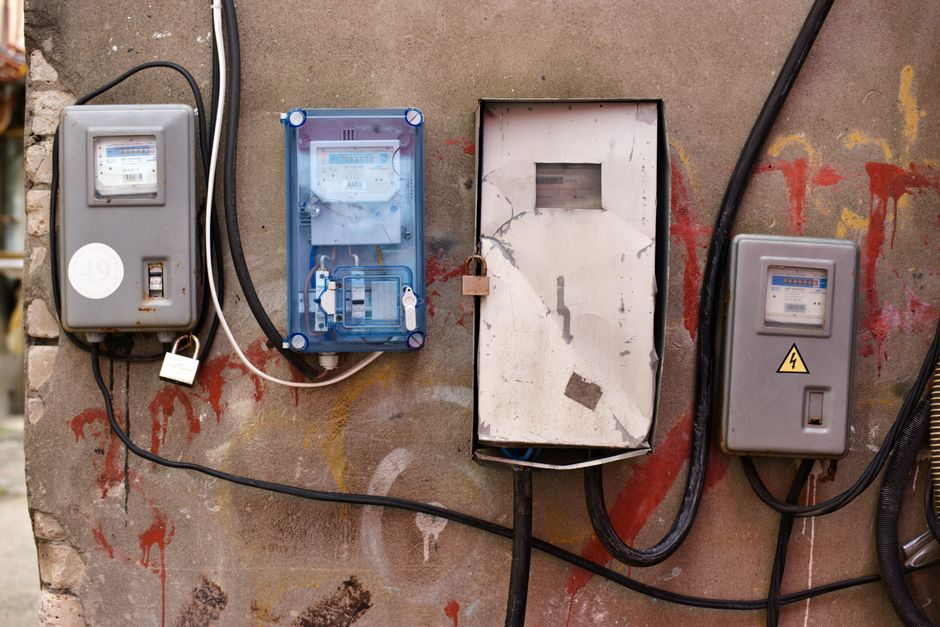
What makes this different from a general commercial rodent issue is the setting. In an energy facility, the concern is not just that rats are present. It is that they are present around infrastructure where access, contamination, gnawing, and hidden nesting can intersect with electrical reliability. That is why the old model of recurring extermination often stops making sense as the primary response.
I would define the escalation point this way: if the site is seeing repeat activity after service in the same electrical-adjacent pathways, and the underlying entry architecture has not been systematically hardened, the facility should move from reactive pest treatment to coordinated deterrence plus sealing. At that point, the site is not under-served. It is under-protected.
Clear signs you have crossed that threshold
- Fresh droppings or rub marks keep appearing in the same switchgear-room, control-house, or cable-trench-adjacent zones after recent service.
- Rodent evidence clusters around penetrations, conduit entries, trench transitions, door thresholds, or wall interfaces rather than random open areas.
- Your team is repeating cleanup cycles instead of seeing a durable decline in activity.
- There is concern about inaccessible carcasses, hidden nesting, or poison complications in sensitive electrical spaces.
- Maintenance staff are investigating suspected gnawing, alarm anomalies, or recurring signs near cable infrastructure.
- The site keeps paying for response, but accountability for permanent prevention remains unclear.
Three response paths, and why one holds up better in energy facilities
The first path is repeated extermination. This can suppress active populations, and in some cases it is useful as a short-term corrective measure. But by itself it usually remains reactive. It answers the current sighting, not the pathway that keeps feeding the next one. In an energy facility, that means ongoing visits, recurring labor, and a constant chance that the next sign appears in exactly the wrong place.
The second path is exclusion-only work. Closing gaps matters, and I would never downplay that. But sealing by itself can also fall short if it is not paired with a continuous deterrence layer matched to how rodents move through the site. Some facilities harden selected openings yet still struggle with pressure around adjacent transitions, perimeter interfaces, or overlooked route changes. Exclusion is essential, but it is not always sufficient as a standalone answer.
The third path is coordinated deterrence plus sealing. This is the model we favor because it treats recurrence as both a behavior problem and an access problem. A facility-grade, non-toxic deterrence layer helps make critical pathways and protected zones less attractive to rodents on a continuous basis, while targeted sealing reduces the openings and transitions that let them re-enter. In uptime-critical electrical environments, that combination is far more durable than living on a cycle of kill, reset, inspect, and repeat.
For California sites especially, this path also aligns better with worker-safety expectations and growing scrutiny around poison use. A silent, maintenance-light, engineered deterrence approach paired with site hardening gives teams a cleaner operational story to defend internally than a program built around recurring toxic exposure, hidden carcasses, and indefinite service dependence.
How I would implement a prevention-first plan at an energy site
The first step is not buying devices blindly. It is assessing movement pathways and evidence concentration. I would map where activity is recurring, with special attention to switchgear-room entries, cable trench interfaces, building perimeters, vault transitions, conduit penetrations, and wall-floor joints. The goal is to understand where the site is functionally open, not just where droppings happened to be visible that day.
Next comes prioritization. Not every opening carries the same operational weight. A gap near a noncritical storage edge is different from a recurring pathway near control electronics or cable entry architecture. I would rank zones by infrastructure sensitivity, repeat activity, cleanup burden, accessibility, and fault exposure. That keeps the project grounded in risk reduction instead of turning into a generic building-seal exercise.
Then comes solution fit. In electrical contexts, the protection method has to respect the environment. That means avoiding approaches that create additional maintenance burden, rely on constant resets, or introduce complications in spaces where access is limited and consequences are high. This is where Strike System’s approach becomes particularly relevant. We deploy industrial, non-toxic deterrence engineered for sensitive infrastructure settings, using seismic vibration and ultrasonic technologies as part of a broader prevention strategy rather than as a gimmick or consumer-grade add-on.
Sealing should follow the same logic. I would focus on the highest-value penetrations and transitions first: the openings and interfaces most likely to support repeat access into control buildings, switchgear-adjacent rooms, and cable-linked spaces. A prevention-first plan works best when deterrence and hardening are coordinated, not staged in isolation by different teams with different assumptions.
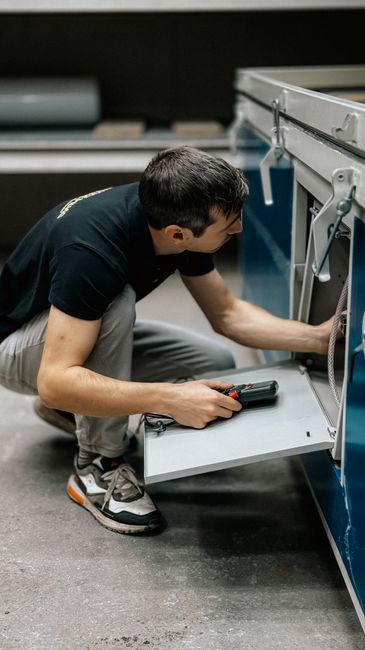
Finally, internal coordination matters more than many sites expect. Operations, facilities, maintenance, EHS, and procurement should agree on what problem is actually being solved. If one group thinks the goal is fewer sightings, another thinks it is poison reduction, and another thinks it is cable-risk prevention, the rollout can lose focus. The better framing is simple: protect critical electrical spaces by reducing rodent access, activity, cleanup burden, and repeat response dependence at the same time.
What success looks like after rollout
A good result is not just a quieter week. It is a measurable decline in repeat evidence in the same pathway zones that previously kept triggering concern. Teams should see fewer fresh droppings near key interfaces, fewer repeat service escalations, less cleanup labor in protected areas, and less uncertainty around hidden activity in sensitive spaces.
I would also watch for softer but important indicators. Are technicians spending less time checking the same trouble spots? Are rodent-related alarm concerns or nuisance investigations decreasing? Is maintenance less worried about cable exposure in known pathway areas? Those are meaningful signs that the site is moving away from reactive control and toward actual infrastructure protection.
Over time, the business case becomes easier to explain internally. When repeat activity falls, the site is not only reducing pest evidence. It is reducing labor waste, lowering avoidable operational friction, and improving confidence around uptime-critical spaces. That is the point of escalating the response model: not to do more pest control, but to need less reactive pest response in the first place.
Common questions from facility teams
Does this mean exterminators no longer have any role?
No. They can still have a situational role, especially when active populations need immediate suppression. The problem is treating repeated exterminator visits as the main long-term answer in energy environments where rodents keep re-entering through infrastructure pathways. In those cases, extermination should support the strategy, not define it.
Why not just keep using poison if activity is persistent?
Because poison can create its own operational problems in sensitive facilities: inaccessible carcasses, added cleanup complexity, worker-safety concerns, and limited control over where the problem ends. In California, poison scrutiny also makes non-toxic prevention-first approaches more defensible. For electrical spaces, a non-toxic deterrence layer plus sealing is usually the cleaner long-term fit.
Are non-toxic deterrence systems practical around switchgear rooms and control buildings?
Yes, if they are engineered for industrial use and deployed as part of a site-specific protection plan. The mistake is thinking in terms of retail gadgets. What works in critical infrastructure is a tailored, facility-grade system designed around actual pathways, sensitive zones, and maintenance realities. That is the standard we use at Strike System when repeat rat activity signals the site needs more than another closed ticket.
Ready to reduce repeat rodent activity in critical electrical spaces?
Talk with Strike System about a site-specific plan that combines industrial-grade, non-toxic deterrence with targeted hardening for energy facilities that need more than reactive extermination.
Request a Site Consultation