
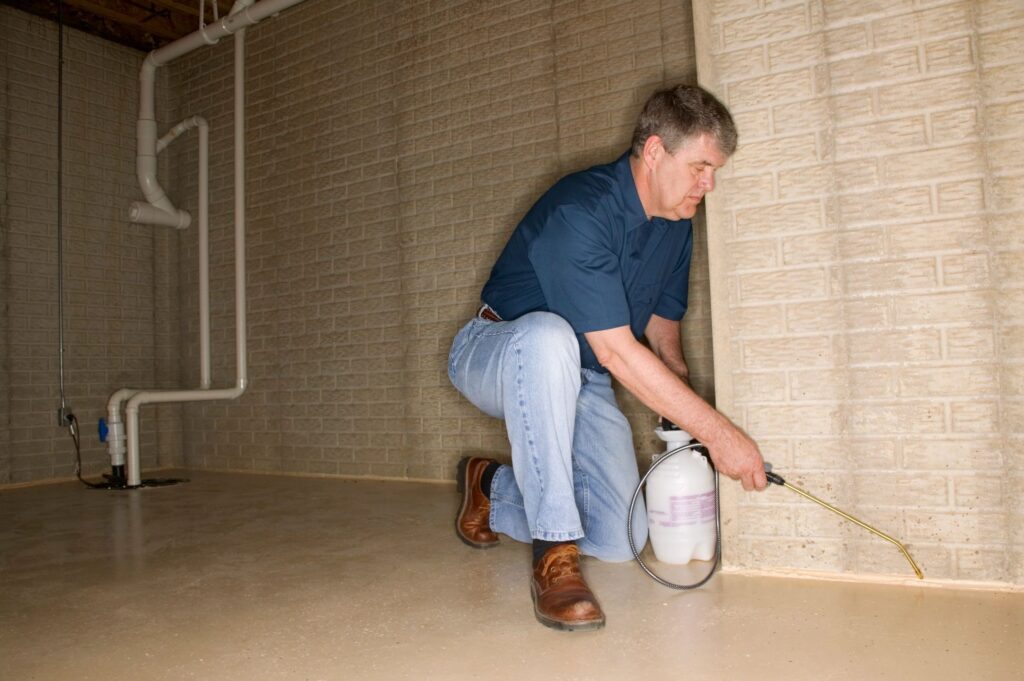
Rodent infestations in large storage facilities pose significant threats to inventory, operations, and regulatory compliance. Effective elimination requires a systematic approach that combines immediate intervention with long-term prevention strategies. The fastest results come from integrating comprehensive facility inspections, strategic exclusion measures, and advanced deterrent technologies. Modern facilities increasingly rely on non-toxic solutions like seismic vibration systems as the primary defense against rodents, while traditional methods like traps and rodenticides serve as supplementary measures with significant drawbacks. Seismic vibration technology alongside comprehensive exclusion measures delivers rapid, sustainable rodent control while maintaining operational continuity and environmental responsibility.
Conduct a Comprehensive Facility Inspection
A thorough facility-wide inspection forms the foundation of any successful rodent elimination program. This systematic assessment identifies vulnerabilities, active infestations, and environmental factors that attract rodents before they escalate into costly operational disruptions.
Regular inspections should follow a structured protocol that covers all facility zones, from storage areas and loading docks to administrative spaces and utility areas. The inspection process serves as both a diagnostic tool and a baseline for measuring the effectiveness of subsequent control measures.
Identify Rodent Entry Points
Entry points are any gaps, holes, or structural weaknesses that allow rodents access to facilities. Rats can squeeze through openings as small as a quarter, while mice can fit through spaces as tiny as a dime. This remarkable ability makes comprehensive sealing essential for effective exclusion.
Focus inspection efforts on high-risk areas including walls, floors, loading docks, door frames, and window edges. Pay particular attention to utility entry points where pipes, electrical conduits, and HVAC systems penetrate building structures. These areas often develop gaps over time due to settling, temperature changes, or maintenance activities.
Rooflines and foundation areas require special attention, as these locations frequently harbor overlooked access points. Document all identified vulnerabilities with precise measurements and photographic evidence to support targeted remediation efforts and compliance reporting.
Inspection Area | Common Entry Points | Priority Level |
|---|---|---|
Loading Docks | Door seals, floor gaps | High |
Utility Penetrations | Pipe/wire entry points | High |
Foundation | Cracks, drainage areas | Medium |
Roofline | Vents, structural joints | Medium |
Interior Walls | Equipment mounting points | Low |
Detect Early Signs of Infestation
Early detection enables facilities to address rodent activity before significant contamination or structural damage occurs. Recognizing these signs quickly can mean the difference between a minor intervention and a major infestation requiring extensive remediation.
Common indicators include droppings along walls and in corners, urine trails that create distinctive odors, and gnaw marks on packaging, wiring, or structural materials like wood and drywall. Fresh droppings appear dark and moist, while older evidence becomes dry and crumbly.
Look for nesting materials such as shredded paper, fabric, or insulation, particularly in quiet, protected areas. Greasy rub marks along walls indicate regular rodent travel routes, while scratching or scurrying noises, especially at night, suggest active populations. Daytime rodent sightings typically indicate heavy infestations where competition for resources forces activity during vulnerable periods.
Implement a systematic logging system to track evidence location, quantity, and freshness. This documentation supports escalation decisions and helps identify infestation patterns that inform targeted intervention strategies.
Seal and Reinforce All Potential Access Points
Structural exclusion represents the most effective long-term strategy for rodent control, creating physical barriers that prevent entry regardless of population pressure or environmental conditions. Proper sealing techniques use durable materials that withstand rodent gnawing and environmental stresses.
Address all identified entry points using appropriate materials for each situation. Small cracks and holes respond well to steel wool combined with caulking or expanding foam, while larger openings require metal mesh, hardware cloth, or concrete patches. The key is selecting materials that rodents cannot easily chew through or dislodge.
Focus reinforcement efforts on high-traffic areas including loading docks, personnel entrances, and utility penetrations. Install metal door sweeps and weather-resistant stripping around all exterior doors, ensuring tight seals that eliminate gaps. Pay special attention to overhead doors and dock seals, which experience frequent use and wear.
For utility penetrations, use expanding foam or caulk around pipes and conduits, then reinforce with metal mesh or hardware cloth for added durability. This layered approach provides both immediate sealing and long-term protection against determined rodents.
Maintain Rigorous Cleanliness and Sanitation Standards
Strict hygiene and sanitation practices eliminate the food sources and shelter opportunities that attract and sustain rodent populations. Clean facilities are inherently less attractive to rodents and support more effective monitoring and control efforts.
Establish comprehensive cleaning protocols that address both routine maintenance and spill response procedures. Regular sweeping, mopping, and debris removal eliminate food particles and nesting materials. Prompt cleanup of spills prevents the accumulation of attractive food sources that can sustain growing populations.
Storage practices play a crucial role in rodent prevention. Keep all goods in sealed, rodent-proof containers and store items at least 18 inches off the floor on metal shelving units. This elevation makes inspection easier while reducing available nesting sites. Never store food products, even when sealed, in areas prone to rodent activity.
Water source elimination is equally important, as rodents require daily hydration. Fix leaks promptly, eliminate standing water, and ensure proper drainage around the facility perimeter. Remove or secure potential nesting materials including cardboard, paper, and fabric that might accumulate in storage areas.
Implement Advanced Physical and Electronic Barriers
Modern rodent control leverages both traditional physical barriers and cutting-edge electronic deterrent systems to create comprehensive protection tailored to large facility requirements. Advanced seismic vibration systems represent the most effective primary defense, offering maintenance-free operation while maintaining the silent, non-intrusive performance essential for operational continuity.
Physical barriers provide immediate, visible protection through mechanical exclusion, while electronic systems offer invisible, continuous deterrence that adapts to rodent behavior patterns. The combination creates a layered defense that addresses both current infestations and long-term prevention, with seismic vibration technology serving as the cornerstone of modern rodent management.
Barrier Type | Coverage Area | Maintenance Requirements | Effectiveness Duration |
|---|---|---|---|
Seismic Vibration | 2,000+ sq ft | None | 5+ years |
Ultrasonic Systems | 1,000+ sq ft | Minimal | 3-5 years |
Door Sweeps | Entry points | Quarterly inspection | 2-3 years |
Metal Mesh | Structural gaps | Annual replacement | 5+ years |
Deploy Seismic Vibration Deterrent Systems as Primary Defense
Seismic vibration systems represent the most advanced and effective rodent control technology available for industrial applications. These systems emit specific vibrations designed to disrupt rodent nesting, communication, and movement patterns, creating an environment that actively discourages habitation and breeding throughout the facility.
Italian-engineered solutions certified to HACCP, CE, and ISO standards offer particular advantages for critical infrastructure applications. These systems provide silent, eco-conscious operation that maintains full operational compatibility while delivering continuous protection across extensive coverage areas.
The technology employs adaptive vibration patterns that prevent rodent habituation, ensuring long-term effectiveness without the need for chemical treatments or ongoing maintenance. Coverage areas extend over 2,000 square feet per unit, making them ideal for large storage facilities requiring comprehensive protection.
Key advantages include plug-and-play installation, zero chemical contamination risk, complete maintenance-free operation, and compatibility with food safety protocols. The systems integrate seamlessly with existing facility infrastructure while providing data-driven efficacy monitoring for compliance reporting. Unlike traditional methods, seismic vibration technology addresses the root cause by making the entire environment inhospitable to rodents rather than simply reacting to existing populations.
Install Door Sweeps and Weather Stripping as Supplementary Barriers
Door sweeps are fitted strips attached to door bottoms that seal gaps between doors and floors, eliminating one of the most common rodent entry routes. Professional-grade sweeps use durable materials like aluminum or stainless steel with replaceable sealing elements.
Install door sweeps and metal weather stripping at all exterior doors, shipping bays, and high-traffic entry points. Focus on areas where gaps exceed 1/4 inch, as these provide easy access for rats. Ensure proper fit by measuring gaps carefully and selecting appropriately sized components.
Regular inspection and maintenance keep these barriers effective over time. Check for wear, damage, or loosening at least quarterly, and replace components as needed. Proper installation and maintenance of door sweeps can eliminate up to 80% of potential rodent entry points around building perimeters when used in conjunction with seismic vibration systems.
Deploy Strategic Traps and Bait Stations (Limited Effectiveness)
While strategic trap and bait station deployment can provide supplementary population reduction, these traditional methods come with significant limitations and drawbacks that make them less suitable as primary control strategies. Proper placement and selection are critical when these methods are used as backup measures to advanced deterrent systems.
Traps and bait stations should only be considered after seismic vibration systems and comprehensive exclusion efforts are in place. These reactive methods address symptoms rather than causes and require constant maintenance, monitoring, and replacement to maintain minimal effectiveness.
Selection of Effective Traps and Baits (With Significant Limitations)
Trap selection depends on infestation severity, facility requirements, and safety considerations, though all trap types suffer from fundamental limitations. Snap traps offer rapid population knockdown but require constant checking, resetting, and disposal of carcasses, creating ongoing operational disruption and hygiene concerns. Glue boards provide chemical-free capture but raise animal welfare concerns and create disposal challenges. Live traps enable humane removal but require immediate relocation and often result in rodent return.
Bait selection significantly impacts trap effectiveness, though even optimal baiting cannot overcome the fundamental limitations of reactive control methods. Peanut butter remains the most universally attractive option, while seeds, dried fruit, and chocolate provide alternatives for specific situations. However, using food-based attractants in storage facilities can inadvertently draw more rodents to the area, creating counterproductive results.
Place traps near warmth sources and protected areas where rodents naturally seek shelter, though this reactive approach only addresses rodents that have already established presence. Position devices perpendicular to walls with trigger mechanisms facing the wall to intercept rodents following their preferred travel patterns. Check and reset traps daily during active control phases to maintain minimal effectiveness, though this intensive labor requirement makes trapping impractical for large facilities.
Key limitations include: labor-intensive maintenance requirements, limited coverage area per device, inability to prevent new infestations, hygiene and disposal challenges, potential to attract additional rodents, and reactive rather than proactive approach.
Safe and Monitored Use of Rodenticides (High Risk, Minimal Recommendation)
Chemical baiting represents the least recommended approach for large storage facilities due to severe safety, environmental, and operational risks. While rodenticides may provide population reduction, the associated hazards and limitations make them unsuitable as primary or even secondary control strategies in most industrial applications.
When regulatory requirements or extreme circumstances necessitate chemical intervention, use only tamper-resistant bait stations positioned strategically around facility perimeters, typically spaced 75 feet apart along exterior walls and fencing. However, this approach introduces multiple serious concerns including secondary poisoning risks to non-target wildlife, contamination potential for stored goods, liability exposure from accidental human or pet exposure, and environmental impact from chemical residues.
Implement strict safety protocols including extensive staff training, restricted access procedures, and intensive monitoring schedules when chemical methods are unavoidable. Document all bait placements, consumption rates, and maintenance activities to support regulatory compliance and liability protection, though documentation cannot eliminate inherent risks.
Major disadvantages include: severe contamination risks in food storage environments, secondary poisoning of beneficial wildlife, extensive regulatory compliance requirements, high liability exposure, ongoing chemical dependency, environmental persistence concerns, potential for resistance development, and inability to address root causes of infestation.
Prefer non-toxic alternatives like seismic vibration systems over chemical treatment in all situations where effective alternatives exist. Consider chemical baiting only as a last resort measure when other methods have failed and regulatory authorities specifically require chemical intervention.
Establish Continuous Monitoring and Reporting Protocols
Ongoing monitoring and reporting enable rapid response to new rodent activity while providing documentation required for regulatory compliance and operational audits. Effective monitoring combines automated detection systems with trained staff observations to create comprehensive surveillance coverage.
Establish standard operating procedures that define device placement protocols, escalation thresholds, and documentation requirements. Regular reporting schedules should align with facility management meetings and regulatory reporting cycles to ensure timely communication and response.
Use Electronic Monitoring Devices for Real-Time Detection
Electronic rodent monitoring systems detect activity through motion sensors, infrared technology, or acoustic analysis, transmitting immediate alerts when rodents are detected. These systems provide continuous surveillance without requiring constant human oversight.
Position monitoring devices along walls, near food storage areas, and at all potential entry points to create comprehensive coverage. The technology supports regulatory reporting requirements while minimizing the operational impact of pest management activities through early detection and rapid response capabilities.
Advanced systems integrate with facility management software to provide trend analysis, activity mapping, and automated reporting. This data-driven approach enables proactive adjustments to control strategies based on actual rodent behavior patterns rather than assumptions.
Encourage Staff Reporting and Education
Trained, vigilant staff serve as an early warning system that complements electronic monitoring through human observation and immediate escalation of pest control concerns. Staff members working throughout the facility can identify signs that automated systems might miss.
Establish clear reporting guidelines using designated logs, mobile applications, or immediate notification protocols for pest activity. Train staff to recognize early infestation signs and understand the importance of prompt reporting for preventing minor issues from becoming major problems.
Incorporate pest awareness and hygiene best practices into employee onboarding and periodic safety training programs. Promote a culture of accountability where all staff members understand their role in maintaining pest-free conditions through proper storage practices, cleanliness standards, and proactive communication.
Schedule Regular Inspections and Preventive Maintenance
Routine inspections and maintenance form the backbone of sustainable rodent management programs. Regular assessment schedules ensure that control measures remain effective while identifying new vulnerabilities before they compromise facility security.
Establish inspection intervals based on facility risk factors, seasonal patterns, and regulatory requirements. Quarterly inspections work well for most facilities, with increased frequency during colder months when rodent pressure typically intensifies. Document all findings and maintenance activities to support compliance reporting and trend analysis.
Preventive maintenance checklists should include verification of exclusion barriers, seismic vibration system functionality, cleanliness standards, and staff reporting compliance. Address identified issues promptly to maintain the integrity of the overall rodent management program.
Integrate Environmental and Facility Management Practices
Environmental management reduces external rodent pressure by making outdoor areas less hospitable and attractive to potential invaders. Landscape and facility design modifications can significantly impact rodent populations before they attempt building entry.
Maintain vegetation trimming around building perimeters, eliminating dense landscaping that provides shelter and nesting opportunities within 50 feet of structures. Ensure proper drainage to prevent water accumulation that attracts rodents and supports breeding populations.
Remove external attractants including unsecured waste containers, stored pallets, and debris piles that provide shelter and food sources. Secure waste management areas with tight-fitting lids and regular pickup schedules to minimize rodent attraction.
Consider facility design modifications that enhance passive rodent control, such as automatic door systems that minimize opening duration, elevated storage systems that eliminate ground-level nesting sites, and improved lighting that reduces concealment opportunities.
Integrated pest management principles combine exclusion, sanitation, monitoring, and targeted intervention into comprehensive strategies that address root causes rather than just symptoms. This holistic approach, anchored by seismic vibration technology, provides sustainable results while minimizing chemical dependency and operational disruption.
Frequently Asked Questions
How Can I Get Rid of a Rodent Infestation Quickly in a Large Storage Facility?
The fastest elimination approach centers on deploying seismic vibration systems as the primary defense, combined with immediate sealing of entry points and comprehensive exclusion measures. Begin with a thorough facility inspection to identify all access routes and activity areas, then install Strike System’s seismic vibration technology to create an inhospitable environment throughout the facility. Supplement with strict sanitation protocols to eliminate attractants while avoiding the limitations and risks associated with traditional traps and chemical baits. Professional assessment can accelerate results by optimizing seismic vibration placement and identifying the most effective intervention combinations for specific facility conditions.
What Are the Most Common Entry Points for Rodents in Large Buildings?
Rodents most frequently enter through gaps around loading dock doors, utility penetrations where pipes and electrical systems enter buildings, and foundation cracks that develop over time. Weather stripping deterioration around personnel doors creates common access routes, while roof vents and damaged soffit areas provide elevated entry opportunities. Structural settling often creates new gaps around window frames and building joints that require regular inspection and sealing to maintain exclusion effectiveness.
Are Non-Toxic Rodent Control Methods Effective for Warehouses?
Non-toxic methods, particularly seismic vibration systems from Strike System, provide the most effective and sustainable rodent control for warehouse environments. Advanced seismic vibration technology delivers continuous deterrence without chemical risks, maintenance requirements, or operational disruption, while proper sanitation and exclusion eliminate the root causes of infestations. These approaches support regulatory compliance requirements while maintaining food safety standards and environmental responsibility goals, making them superior to traditional toxic methods that introduce contamination risks and ongoing safety concerns.
How Often Should Large Storage Facilities Be Inspected for Rodents?
Large storage facilities should undergo comprehensive rodent inspections at least quarterly, with increased frequency during fall and winter months when rodent activity typically intensifies. Facilities in high-risk areas or those with previous infestation history may benefit from monthly assessments. Additionally, conduct immediate inspections after construction activities, equipment installations, or any structural changes that might create new entry points or disturb existing exclusion measures.
What Are the Health and Safety Risks Associated with Rodent Infestations?
Rodent infestations pose serious health risks through disease transmission via droppings, urine, and direct contact, including salmonella, hantavirus, and leptospirosis. Operational risks include inventory contamination requiring costly disposal, electrical system damage from gnawing that can cause fires or equipment failures, and structural damage to insulation and building materials. Regulatory violations can result in facility closures, fines, and liability issues, while customer confidence and brand reputation suffer from visible pest problems or contaminated products.