
The line is running, people are moving, and a rodent sighting lands near a sensitive area at exactly the wrong moment. Everyone understands the problem immediately, but the obvious responses can create a second one just as fast: if the plan depends on bait, traps, or intrusive service inside a live facility, who owns the interruption, the cleanup, and the contamination risk while operations keep going?
For California facilities, that is often the real issue. This is not just a local service decision. It is an operational-fit decision about whether the method itself supports uptime.
Need a rodent-control plan that fits a live facility?
Strike System helps food plants, labs, data centers, warehouses, and industrial sites evaluate non-toxic rodent prevention for sensitive operations where downtime, contamination, and repeat service burden are not acceptable.
Explore Your OptionsAt a glance: This article is for facility, operations, QA, EHS, sanitation, and maintenance leaders in food plants, labs, data centers, warehouses, and industrial sites that cannot afford disruption.
Reactive service is usually not enough when: sightings happen near production, utilities, cable routes, clean areas, or other zones where carcasses, repeated technician activity, or contamination-sensitive interventions create friction.
Core takeaway: In live facilities, the better question is not who can respond fastest, but which rodent-control approach can reduce risk without forcing shutdowns, cleanup cycles, or audit headaches.
We see this mismatch all the time. A team starts with a straightforward intent: find nearby rodent control and solve the issue quickly. But once the facility is active, regulated, or uptime-critical, speed alone stops being the deciding factor. The response method has to fit the environment.
That is especially true in food processing, laboratories, data centers, and industrial plants. In those settings, a rodent event is rarely just about animal presence. It points to pathway exposure, infrastructure vulnerability, sanitation pressure, and the possibility that a reactive treatment could disrupt more than it solves.
Facilities that run around the clock do not have much tolerance for solutions that require repeated access, create carcass retrieval problems, add poison concerns, or force teams to keep revisiting the same issue. What they want is a way to reduce rodent pressure while the building keeps operating.
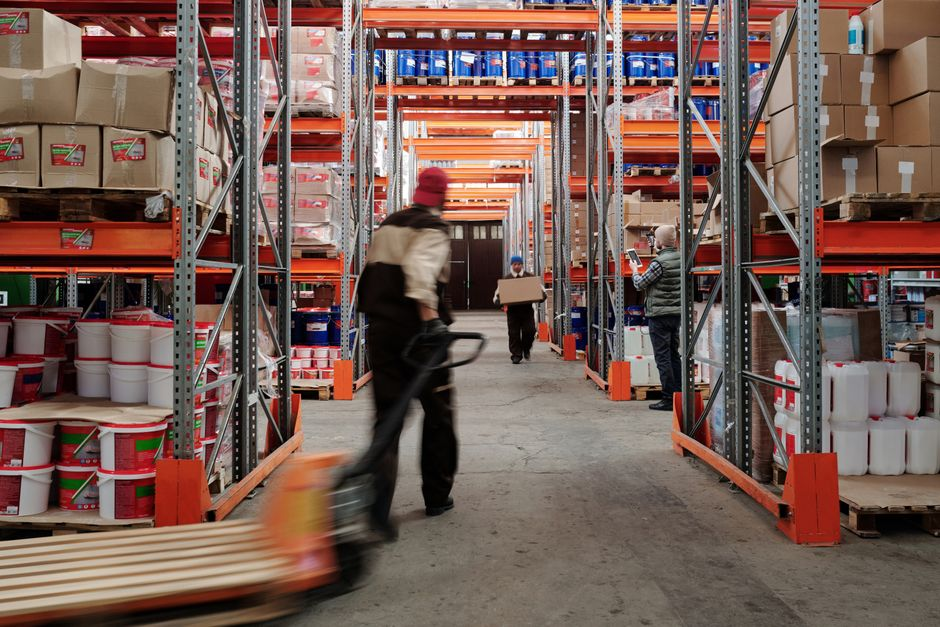
Not every building has the same risk profile, but some environments reach the no-shutdown threshold quickly. In food facilities, the concern is obvious: contamination exposure, sanitation rework, and audit scrutiny. In laboratories and medical environments, sensitive procedures, controlled rooms, and chain-of-custody expectations make intrusive rodent response hard to justify. In data centers, utility rooms, cable pathways, and support spaces bring a different kind of risk: one small rodent problem can escalate into reliability and infrastructure concerns.
Industrial plants and large warehouses face a similar tension from another angle. Dock traffic, penetrations, stored materials, utility runs, and open-close door cycles create opportunity for rodents, but production and shipping schedules leave little room for heavy service burden. Maintenance wants workable access. Operations wants uptime. QA wants documented control. EHS wants a method that does not introduce a new hazard. Those priorities often collide when the default answer is more bait, more traps, and more repeat visits.
When multiple stakeholders are all asking different versions of the same question, we take that as a sign the facility no longer needs a routine pest ticket. It needs a prevention plan designed for a live environment.
What “no-shutdown rodent control” actually means
No-shutdown rodent control does not mean doing nothing disruptive and hoping the problem fades. It means using a prevention-first approach that can operate alongside active production, occupancy, sanitation, and maintenance schedules. The goal is to reduce rodent access and pressure without relying on methods that create contamination-sensitive side effects.
In practice, that usually means shifting the conversation away from kill counts and toward method fit. Bait- and trap-heavy programs can have a place in broader pest management, but inside sensitive, uptime-critical facilities they often come with tradeoffs: more technician handling, more inspection burden, more chances for inaccessible carcasses, and more cleanup ownership when something goes wrong.
A prevention-first model is different. We focus on how rodents are entering, what conditions let them move through the building, and how engineered deterrence and exclusion can reduce activity in critical zones without turning the response itself into an operational event. That is why non-toxic approaches are increasingly attractive in California facilities that want lower contamination risk and easier internal approval.
How to judge whether a method fits live operations
Start with pathways, not panic
Recurring sightings near doors, docks, penetrations, utility chases, cable entries, roofline transitions, or storage edges usually mean the building is still giving rodents a reliable route. If a facility keeps seeing activity after service, the first question should not be whether a provider needs to try harder. It should be whether the site has an unresolved access problem.
We advise teams to map where activity is showing up relative to infrastructure. A mouse near a break area is one issue. A rodent near electrical rooms, production-adjacent voids, clean zones, network pathways, or lab support spaces is another. Those locations tell you whether the problem is isolated nuisance activity or a continuity risk tied to the building itself.
Evaluate what the response could interrupt
Once the pathways are clear, the next step is to ask what each control method demands from operations. Does it require repeated physical servicing inside active spaces? Does it introduce poison-related concerns? Could it result in dead rodents in inaccessible voids, wall lines, overhead spaces, or under equipment? Would sanitation or QA need to add extra cleanup or verification steps afterward?
This is the point where many facilities realize the wrong rodent-control method becomes its own source of friction. A program can look effective on paper yet still be a poor fit if it increases labor, creates retrieval problems, or complicates compliance in sensitive environments.
Compare methods by burden, not just by response speed
Fast response sounds reassuring, but in continuous operations the better metric is total operational burden. How much disruption does the method create over time? How many touches does it require? How much follow-up does it push onto maintenance, sanitation, or QA? Does it support a stable operating environment, or does it keep the site in a cycle of treatment and cleanup?
That is where non-toxic engineered deterrence stands apart. When deployed correctly, it is designed to discourage rodent activity in vulnerable areas without the same dependence on consumables, carcass recovery, or intrusive repeat intervention. For facilities that need ongoing protection, that difference matters more than a generic promise to treat the issue quickly.
Know when routine service has stopped matching the risk
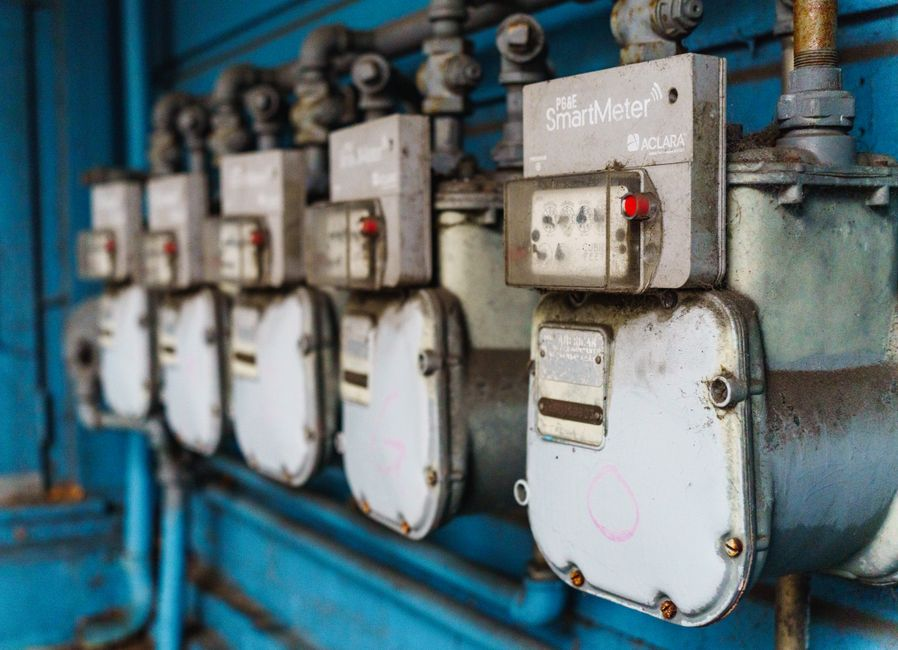
The threshold is usually easy to recognize once teams name it clearly. If rodents are showing up near critical infrastructure, if repeat service is not closing exposure pathways, or if each intervention creates contamination or downtime concerns, the facility has likely outgrown a simple extermination approach.
That is the point where engineered deterrence plus exclusion becomes the smarter fit. At Strike System, that is the lens we use: not whether a site can get another treatment, but whether it can establish permanent, non-toxic pressure reduction that protects operations.
What implementation looks like without stopping the facility
No-shutdown implementation works best when it is coordinated like an operational project, not treated as an isolated pest event. The site does not need to pause everything. It needs a plan that respects how the building actually runs.
We typically see the strongest outcomes when operations, maintenance, sanitation, and compliance align early. Maintenance helps verify penetrations, door performance, utility routes, and hidden access points. Sanitation identifies areas where residue, water, or storage practices may increase attraction. QA or EHS clarifies documentation expectations. Operations confirms where installation or access windows need to be sequenced around throughput.
- Prioritize critical zones first, such as utilities, docks, cable routes, overhead voids, and production-adjacent spaces.
- Coordinate access during normal maintenance or sanitation windows wherever possible.
- Pair deterrence with exclusion fixes so the site is not relying on one layer alone.
- Define ownership for monitoring, escalation, and site changes that could reopen pathways.
The important point is that prevention can be integrated into ongoing operations. Facilities do not need a solution that adds constant handling. They need one that becomes part of a stable control architecture.
The proof layer matters almost as much as the method
In sensitive environments, claiming that a rodent program is in place is not enough. Leaders need evidence that the approach is appropriate, monitored, and defensible. That is why documentation matters so much in continuity-focused rodent prevention.
We recommend expecting clear records around risk areas, deployment logic, observations, corrective actions, and follow-up status. In food and other audit-sensitive environments, the program should support HACCP-style thinking: identify where risk exists, show what controls are in place, and document how the site verifies that those controls remain effective. In labs, medical settings, and data centers, the emphasis may be less about food safety and more about cleanliness, traceability, and protection of critical spaces, but the need for proof is just as real.
That proof also helps internal alignment. When teams can see the pathway logic, the method rationale, and the monitoring plan, the discussion becomes less about reacting to the latest sighting and more about managing facility risk systematically.
Questions we hear from live-facility teams
Can this approach work in food processing plants?
Yes, that is one of the strongest use cases. Food facilities often want rodent prevention that avoids poison-related concerns, reduces carcass risk, and fits sanitation and audit expectations without interrupting production.
What about laboratories or medical environments?
These spaces usually need low-disruption, contamination-conscious methods. A prevention-first, non-toxic approach is often easier to align with controlled operations than interventions that require frequent intrusive handling.
Does no-shutdown rodent control make sense for data centers?
Absolutely. In data centers and support buildings, the concern is often infrastructure protection as much as pest control. Cable entries, utility penetrations, and support spaces need a method that reduces rodent pressure without adding operational risk.
Is bait ever enough for a 24/7 facility?
Sometimes it may serve as part of a broader program, but when a site cannot tolerate carcasses, repeated service burden, or contamination-sensitive interventions, bait alone usually does not solve the fit problem. That is when prevention and engineered deterrence become more compelling.
How do we know when to move beyond trap-heavy service?
If sightings keep returning, if activity is near critical zones, or if each response creates cleanup and coordination strain, that is usually the signal. The facility is telling you the issue is structural and operational, not just tactical.
What to ask before moving forward
If your team started with a search for nearby rodent control but cannot afford a shutdown, the next conversation should be more specific. Ask how the method affects live operations. Ask what contamination or carcass risk it introduces. Ask how much repeat handling it requires. Ask what documentation supports it. And ask whether the provider is solving pathways and continuity exposure, not just responding to the latest sighting.
That shift in questioning is often what separates a temporary response from a durable one. For facilities that need non-toxic rodent prevention without interrupting operations, Strike System is built for that higher standard: engineered deterrence, tailored deployment, and an uptime-first approach that fits sensitive environments where routine pest service no longer goes far enough.
Ready to reduce rodent risk without shutting down operations?
Talk with Strike System about a tailored, non-toxic deterrence strategy designed for critical zones, audit-sensitive spaces, and 24/7 facilities that need reliable protection with less operational friction.
Request a Consultation