
By midmorning, the yard is already radiating heat. A shaded wall beside a control building is staying damp from condensate runoff, one access door is propped open for contractor traffic, and the drainage edge near a conduit entry looks cooler than the rest of the site. Then someone notices a few fresh droppings near the wall line. Nothing looks dramatic yet, but for an energy facility, that is exactly the kind of early-summer setup that can turn a minor pest sign into an infrastructure problem if nobody acts on it.
What to know: Summer rodent pressure at California energy and industrial facilities is rarely random. As temperatures rise and conditions dry out, mice and rats shift toward water, shade, shelter, and protected travel routes around substations, control buildings, switchgear rooms, trench transitions, and utility yards. The smart move is to treat that pattern as a seasonal reliability risk and tighten prevention before visible activity escalates.
We see a common misconception every year: if winter drives indoor pest pressure, summer should be quieter. At sensitive industrial sites, the opposite can happen. Heat and dry conditions push rodents to search more aggressively for the things a well-run facility still happens to provide in pockets: moisture, cooler microclimates, cover, and consistent pathways that feel protected from predators and disturbance.
California summers make that shift more pronounced. Irrigated strips around buildings, roof runoff points, condensate discharge, shaded equipment pads, drain lines, cooling areas, and utility corridors can create islands of relief in an otherwise hot, exposed environment. Rodents do not need a dramatic food source to start exploring those zones. Often, they are following water first, then discovering shelter and access along the way.
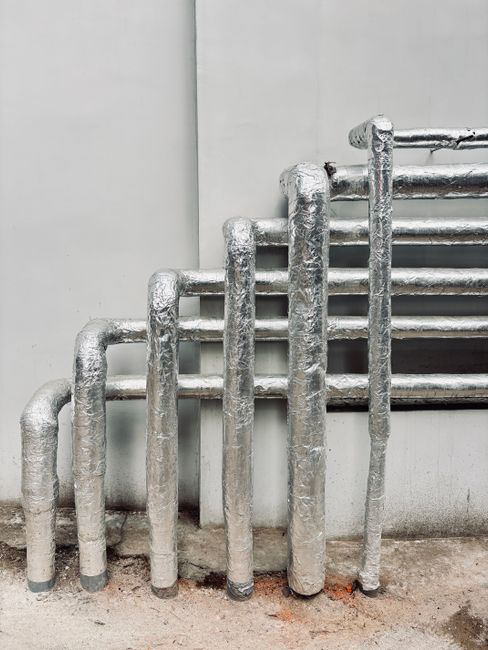
Movement patterns change too. Tall seasonal growth, stored materials, fence lines, trench edges, and conduit runs give mice and rats cover as they travel. Add longer operating days, more open doors, outside contractors, and small lapses in inspection consistency during vacation season, and a site becomes easier to use without looking obviously neglected.
In a generic commercial property, a few droppings behind a wall may register as a housekeeping problem. At an energy facility, the same sign can point to exposure around systems that support uptime, safety, and compliance. Rodent activity near electrical rooms, cable pathways, control enclosures, and support buildings raises the stakes quickly because the consequences are not limited to nuisance sightings.
Gnawing at wiring or pathway edges can create reliability risks. Nesting near warm, sheltered infrastructure can complicate maintenance access. Activity around drains, cooling zones, or support spaces can trigger contamination concerns and more documentation for EHS and audit teams. Even the response method matters. Poison-based tactics may appear convenient, but in sensitive facilities they can create carcass-retrieval issues, odor, secondary contamination concerns, and unnecessary scrutiny if animals die in inaccessible voids or critical zones.
That is why we frame summer rodent pressure as a site-protection issue, not just a pest-control ticket. The question is not whether one mouse or rat was seen. The question is what the site conditions are telling you about access, attractors, and vulnerability around critical infrastructure.
A prevention framework for hot-weather pressure
Start with water and cooling attractors
In summer, water often explains the pattern before food does. Condensate discharge at building perimeters, small plumbing leaks, irrigation overspray, clogged drains, low spots that stay damp, and roof runoff points can all pull activity toward structures. Around energy sites, these moisture points often sit close to exactly the spaces you want to keep protected: support buildings, utility pads, trench transitions, and equipment areas with shade.
We advise teams to assume rodents will test any cooler, wetter edge repeatedly once heat intensifies. If a site has chronic damp zones or runoff patterns, that is not a minor maintenance note in July. It is part of the rodent pathway story.
Reduce shelter before it becomes harborage
Rodents are more likely to hold close to a site when they can move from relief to refuge without much exposure. Overgrown vegetation, stored pallets, idle materials, sheltered support structures, debris pockets, and neglected perimeter edges give them that confidence. In summer, even narrow strips of shade or clutter can function like a travel corridor.
At industrial facilities, this often shows up outside before it shows up inside. A shaded enclosure behind equipment, materials staged too long against a wall, or dense growth near a fence line may look operationally ordinary. To a rodent, it is cover near water and infrastructure.
Tighten access into protected spaces
Warm-weather pressure becomes a building problem when exterior movement finds an entry point. Door sweeps that no longer seal, penetrations around conduits, unprotected utility openings, gaps at trench transitions, damaged screens, and habitually open doors all matter more in summer because traffic and movement increase. The site may not be dirtier than usual. It may simply be easier to enter than it was in cooler months.
This is where prevention beats reaction. Once activity is established inside a control building or around switchgear support spaces, the response gets harder, more disruptive, and more sensitive. Exclusion done early is cheaper than emergency cleanup around critical areas later.
Watch the operating habits that change with the season
Summer introduces workflow issues that do not always get counted as pest drivers. More vendor and contractor movement can leave doors open longer. Outdoor staging shifts can create temporary clutter near buildings. Sanitation routines can drift when teams are stretched. Early morning or late-day work windows may change who notices signs and who assumes someone else already reported them.
We have found that many summer rodent problems are not caused by a single failure. They develop from several small operating allowances happening at once: moisture at the wall, shade at the edge, access at the door, and no one tying those signals together until activity becomes visible inside.
Monitor the quiet zones, not just the obvious ones
Rodent pressure does not always announce itself in the busiest part of the site. Early signs often appear in quieter transition zones: along wall lines, near drains, around conduit entries, beside stored materials, or at the edge where a yard meets a support building. Monitoring should follow how rodents move, not just where people complain.
That means routine checks around cooling and drainage areas, trench and conduit transitions, shaded utility structures, and secondary access points. If teams only respond after a daytime sighting in an occupied area, they are already behind the seasonal pattern.
Where summer pressure usually shows up first
At substations and utility yards, first indicators often appear along protected perimeter routes, under sheltered structures, or near drainage edges where moisture lingers. The site can look clean and still have just enough water and cover to support repeated passes. Gnawing at pathway edges, droppings near wall bases, or movement at dawn along fence-adjacent routes are common early clues.
Control buildings tend to show signs where cool interior conditions meet easy exterior access. Teams may notice droppings near door thresholds, rub marks along wall lines, or activity near conduit penetrations and utility entries. If condensate or irrigation is present outside, those access points become more attractive during hotter weeks.
Switchgear rooms and electrical support spaces are especially sensitive because even limited activity is too much. Here, the first warning may be subtle: debris pulled toward a corner, droppings near the room perimeter, or signs at the adjoining exterior wall rather than deep inside the room itself. That is why exterior conditions and interior findings should always be read together.
Trench transitions, cable paths, and conduit runs deserve extra attention because they function like predictable movement guides. Rodents prefer edge-following behavior and protected routes. If a pathway lets them move from yard cover to building shelter with minimal exposure, they will keep testing it in warm weather.
An early-summer walk-through that actually helps
- Maintenance: check condensate discharge, leaks, drains, roof runoff, irrigation overspray, low spots holding moisture, vegetation growth, exterior storage, and door sweeps.
- Electrical: inspect conduit entries, cable-path edges, trench transitions, electrical-room perimeters, support-building wall lines, and any signs of gnawing or nesting near protected infrastructure.
- EHS: document droppings, rub marks, carcass risk from legacy poison use, sanitation drift, and any pattern that could trigger contamination or audit concerns in sensitive zones.
- Operations: review door discipline, contractor access habits, temporary outdoor staging, waste handling, shift handoff reporting, and who owns follow-up when signs are first seen.
How to prioritize fixes before peak heat
If your team is finding small signs now, resist the urge to jump straight to a reactive kill tactic and call the issue handled. Summer pressure is usually telling you where the system is open. We recommend prioritizing fixes in the order that changes the site fastest: close access points, correct moisture and drainage issues, restore door discipline, reduce harborage, tighten sanitation and storage practices, and document what was found by zone.
Exclusion should come first wherever a clear pathway into a protected building or room exists. A gap at a penetration or door is a more urgent problem than a generic sighting somewhere in the yard. After that, remove the reasons rodents keep returning to that edge: dampness, shade, clutter, and low-disturbance cover.
Documentation matters because summer activity can feel intermittent even when a pattern is forming. A few isolated droppings in June, contractor reports in July, and one maintenance note about runoff in August can look unrelated unless someone maps them together. Once they are connected, the site usually reveals the same story: predictable movement around water, shelter, and access near critical infrastructure.
This is also where non-toxic deterrence fits naturally as a protective layer rather than a last-ditch add-on. In sensitive energy environments, continuous deterrence can support exclusion and habitat correction without introducing poison-related complications. For facilities that need quiet, maintenance-light, infrastructure-aware protection across vulnerable zones, engineered systems make far more sense than waiting for visible activity to force repeated reactive responses.
Practical questions we hear in summer
Can rodent pressure really be worse in summer?
Yes. In hot, dry conditions, rodents actively seek water, cooler microclimates, and protected travel routes. Facilities often provide all three through drainage, condensate, irrigation, shade, and utility pathways.
What signs matter most early on?
Fresh droppings, gnawing at pathway edges, rub marks along wall lines, nesting debris near sheltered structures, and repeat activity around drains, conduit entries, trench transitions, and door thresholds are all meaningful. One subtle sign in a critical zone matters more than a dramatic sign in a low-risk area.
Why avoid poison at sensitive facilities?
Poison can create bigger problems than it solves in critical infrastructure settings. Dead rodents in inaccessible spaces, odor, contamination concerns, and added documentation burden are poor tradeoffs for sites focused on uptime, safety, and compliance.
When does this stop being a routine pest issue?
It crosses into infrastructure risk when activity appears near electrical rooms, cable paths, control buildings, drainage and cooling zones, or repeat access points tied to critical operations. At that stage, the site needs a structured prevention plan, not just another isolated response.
For California energy facilities heading into sustained heat, the right next step is to treat summer rodent pressure as a readiness issue now, while the signs are still small and the fixes are still manageable. If vulnerable zones need continuous protection without chemicals or poisons, we believe a facility-grade approach like Strike System’s engineered seismic vibration and ultrasonic deterrence is the sensible escalation for protecting critical infrastructure before summer pressure turns into downtime.