
It is late June, the pre-Q3 walkthrough is moving fast, and the conversation is supposed to be about throughput, preventive maintenance, and risk. Then someone stops at a dock edge, points to fresh droppings along a wall line near stored pallets, and the whole tone of the meeting changes. What looked like a handled nuisance in the first half of the year suddenly looks like an operating problem that may follow your facility straight into Q3.
We see this moment often in industrial and commercial environments. A few sightings after routine pest activity do not automatically mean one service failed; more often, they mean the building or the way it is being run is still offering access, shelter, food, water, or repeat opportunity. Mid-year is the right time to test that assumption, because summer heat, open-door time, shipping volume, sanitation pressure, and staffing changes can all make a manageable issue harder to contain once Q3 begins.
Need a second set of eyes on recurring rodent activity?
If your team keeps seeing activity around docks, penetrations, storage edges, or overhead routes, Strike System can help you evaluate whether the issue is a quick fix, a maintenance gap, or a facility-level deterrence problem.
See How Strike System WorksFor facility and operations managers, the useful question is not simply whether rats or mice are present. It is where the system is still open. When we treat recurring activity as a facility-systems signal instead of another isolated pest ticket, we can separate small housekeeping misses from maintenance problems, infrastructure gaps, and the situations that call for a more durable non-toxic deterrence layer.
By mid-year, most sites already have enough evidence to judge whether H1 pest activity was truly resolved. If the same categories of sightings keep coming back around doors, penetrations, utility routes, waste zones, or storage edges, the issue is usually not random. It points to a pattern in the building envelope, maintenance cadence, exterior conditions, or internal reporting discipline.
That matters because the consequences are bigger than a few trap checks. Repeat rodent activity increases sanitation labor, creates contamination risk, complicates audits, and pulls maintenance into reactive work that should have been prevented. It can also mean gnaw damage to wiring, insulation, packaging, and soft building materials; pathogen and disease exposure through droppings, urine, and contaminated surfaces; and allergen concerns from hair, dander, and nesting debris. In sensitive environments such as food processing, labs, data centers, and critical infrastructure, the cost of recurring access is rarely limited to the pest log.
We recommend walking the site in a practical order: outside-in, then top-to-bottom, then into the operating habits that keep pressure alive. The seven areas below are where blind spots tend to hide.
The building envelope
Start with the exterior shell. Expansion joints, wall-to-slab transitions, cracked panels, unsealed repair points, and gaps where different materials meet often look minor from a maintenance standpoint but act like reliable entry points from a rodent standpoint. Older repairs are especially worth checking because temporary sealing tends to age faster than managers expect.
Be specific about gap size. Mice can enter through openings of roughly 1/4 inch, while rats can use gaps around 1/2 inch to 3/4 inch. That means a small separation at a panel edge, pipe sleeve, or slab transition may be enough to support repeat entry. During the walk, look not only for visible holes but also for rub or grease marks along edges, gnawing around soft sealants, tracks in dust, burrows near the foundation, and fresh droppings that suggest active use rather than old evidence.
What we want to know here is simple: can something move from grade level or landscaping into the structure without crossing a meaningful barrier? If the answer is yes, recurring sightings near perimeter walls are not surprising. Findings in this zone usually point to a cross-functional facilities repair, not another routine service call. If multiple envelope issues show up around critical spaces, that is also a sign the site may need continuous deterrence in addition to physical correction.
Doors, docks, and loading areas
Next, move to the busiest edges of the facility. Dock doors, personnel doors, levelers, worn sweeps, misaligned closures, and long periods of door-open time create repeated access windows. Even a well-run operation can normalize these conditions because they are tied to throughput, shift changes, staging, and freight handling rather than obvious neglect.
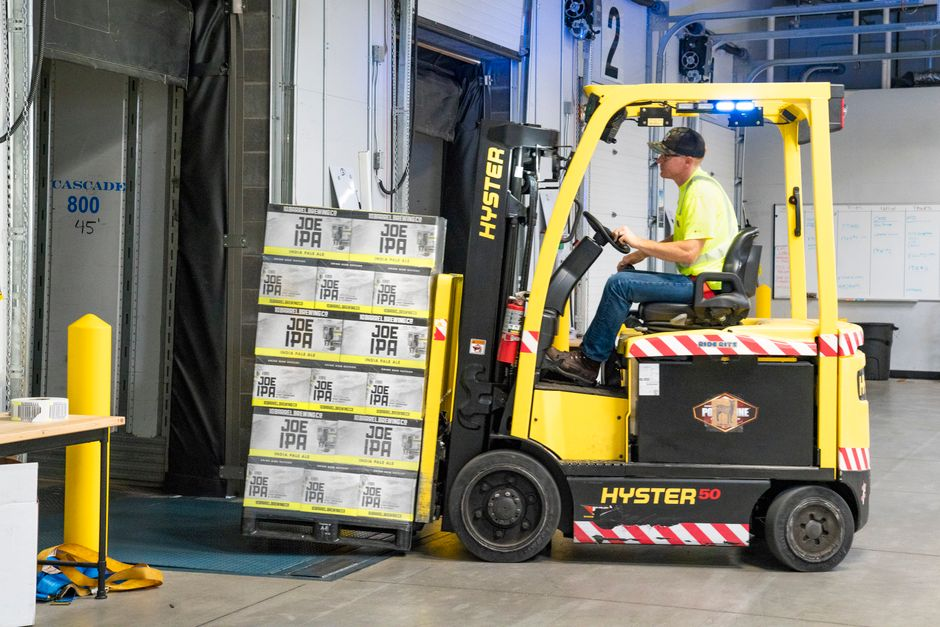
This area matters because it combines access with food residue, packaging debris, idle pallets, and sheltered movement paths. If activity clusters around dock corners, bumpers, or staging lines, we usually read that as an operational pattern, not just a pest event. Look for droppings along wall lines, smear marks where rodents travel tight to edges, gnawing on door bottoms or dock seals, nesting material under pallets, and signs that activity increases at night or after long door-open periods. Some fixes are quick, such as replacing sweeps or tightening door-close discipline. But repeated findings across several dock positions often signal a broader loading-area design and deterrence problem that deserves escalation before Q3 volume rises.
Penetrations, conduit runs, and utility entries
One of the most common blind spots sits where infrastructure crosses the building envelope. Conduit banks, pipe penetrations, cable trays, HVAC line sets, drain entries, and utility sleeves can leave small but persistent openings that rarely make it onto a general pest checklist. Inside, these pathways also help rodents move with cover toward electrical rooms, network spaces, process areas, and wall voids.
When sightings continue near utility rooms or wall penetrations after basic service, we do not treat that as a mystery. It usually means the route is still open. Look for droppings tucked beside conduit, rub marks on pipe runs, gnawing around foam or mastic, urine odor in enclosed spaces, and tracks in dusty mechanical rooms. Rats in particular often follow edges, pipes, drains, and protected utility routes, while mice can exploit much smaller gaps and voids. This is a maintenance coordination issue first, because the root cause often belongs to trades, retrofits, or aging seals. If the pathways are numerous, difficult to access, or adjacent to sensitive equipment, that is where an engineered, non-toxic deterrence layer becomes more sensible than relying on repeated reactive measures alone.
The roofline, drains, and overhead pathways
Many teams inspect what is at eye level and miss what is happening above them. Roof edges, parapets, vent openings, poorly screened intakes, overhead utility runs, and drain transitions can all support hidden movement. Once rodents gain the overhead, they can travel along cables, conduits, rafters, beams, and ceiling voids, then drop into spaces where cleanup is harder and evidence appears late. In some facilities, drains and roof-to-wall transitions also create overlooked approach routes.
This zone has a high operational cost because it can create hidden contamination, scratching reports, and difficult retrieval problems if kill-first methods are used in inaccessible areas. At mid-year, inspect roof access points, signs of nesting near equipment, smear marks on overhead routes, droppings on top of ductwork or ceiling tiles, and any overhead pathways that align with repeat interior sightings. Findings here rarely belong to housekeeping alone. They usually require facilities action and, in sensitive buildings, a prevention-first strategy that protects the space without introducing poison or carcass risk overhead.
Waste handling areas and exterior grounds
Waste enclosures, compactors, grease areas, standing water, dense vegetation, stored materials against walls, and cluttered fence lines can keep pressure on the facility even when the interior is relatively clean. We often find that teams focus on what happens inside the building while exterior habitat keeps repopulating the same approach routes.
The key question is whether the grounds are reducing attraction or quietly sustaining it. Overflowing waste routines, poor enclosure condition, or vegetation that touches structures can turn the outside into a staging zone for repeated entry attempts. Look for burrows near slabs and pads, rub marks along fence lines and walls, gnawing around enclosure edges, tracks in soft soil, and droppings near compactor corners or stored materials. Some corrections are immediate, like cleaning schedules or moving stored items off the wall. But if exterior pressure remains structurally high around sensitive operations, it is smart to think beyond sanitation alone and add a durable barrier strategy that supports the whole site.
Storage layouts and housekeeping patterns
Inside the facility, storage practices tell us a lot. Pallets packed tight to walls, long-idle inventory, rarely disturbed corners, open ingredient or consumable storage, cardboard accumulation, and poor visibility under racks all create shelter. These are easy to miss in busy operations because the area may look organized for production while still being ideal for rodent movement and concealment.
This is where we urge managers not to confuse cleanliness with inspectability. A space can be tidy and still impossible to monitor well. If evidence appears along storage edges or behind dense pallet blocks, the first response may be a layout correction, stock rotation change, or better housekeeping routine. Look for shredded packaging, nesting material, urine odor, droppings in protected corners, and smear marks where movement follows walls or rack lines. But if the same patterns return despite those adjustments, the problem is probably not just storage discipline. It may mean nearby access routes are still active and need a systems-level answer.
Internal reporting and response discipline
The last blind spot is not physical at all. It is how the organization captures, routes, and acts on early signs. In many facilities, sightings live in separate logs across sanitation, maintenance, operations, and EHS. A dock note, a housekeeping complaint, and a utility-room sighting may all describe the same pathway, but no one sees the pattern because the information never gets combined.
We recommend reviewing whether reports include exact location, time, photo evidence, nearby conditions, and ownership for follow-up. If the same zones generate repeat notes without a root-cause fix, that is a management signal. Better reporting can solve some problems quickly, but persistent multi-zone recurrence is usually the point where leadership should stop issuing isolated tickets and consider a facility-level prevention upgrade.
Why these areas matter beyond nuisance
Rodent activity is not just a housekeeping annoyance. In commercial and industrial settings, it can become a contamination, exposure, and asset-protection issue quickly. Droppings, urine, and nesting debris can contaminate product-adjacent surfaces, packaging, and stored materials. Gnawing can damage wiring, insulation, seals, and soft building components. In some environments, hair, dander, and nesting material can also contribute to allergen exposure and cleanup burden.
That risk profile is one reason integrated pest management, or IPM, matters here. In practical facility terms, that means reducing food, water, and shelter; sealing ingress points; improving sanitation and storage discipline; and coordinating maintenance so access routes are actually closed. The walkthrough is not separate from IPM. It is one of the clearest ways to see whether IPM basics are being sustained by the building and by day-to-day operations.
For sensitive environments such as food processing, labs, and data centers, the stakes are even higher. Overhead carcass retrieval, poison use near critical spaces, hidden contamination above ceilings, and allergen or debris spread through air-handling or cable pathways can create risks that are out of proportion to the original sighting. That is why prevention-first, non-toxic approaches become more important when activity is recurring in inaccessible or high-consequence areas.
A compact field checklist for the walkthrough
- Envelope: gaps, cracks, failed seals, wall-to-slab openings, burrows, rub marks. Usually suggests: cross-functional repair.
- Doors and docks: damaged sweeps, misalignment, leveler gaps, long door-open periods, droppings along edges, gnawing at seals. Usually suggests: quick correction or operating change; broader patterns may justify upgrade.
- Utilities and penetrations: conduit entries, pipe sleeves, cable routes, HVAC penetrations, drain entries, smear marks, urine odor. Usually suggests: maintenance fix, often with higher escalation priority.
- Roofline and overhead: vents, parapets, drains, rafters, cables, overhead pathways, signs above ceilings. Usually suggests: facilities action and prevention-first review.
- Waste and grounds: enclosure condition, standing water, vegetation, stored materials outside, tracks, burrows. Usually suggests: quick exterior correction or site-grounds intervention.
- Storage and housekeeping: blocked inspection lines, idle stock, dense pallet edges, cardboard buildup, nesting material, droppings in protected corners. Usually suggests: operational correction; recurring findings may indicate deeper access issues.
Keep the checklist short during the walk. The goal is not to create a giant report on the spot. It is to identify where the evidence clusters and what kind of response each cluster actually calls for.
How to interpret what you find
A single issue in a single zone may be a straightforward fix. A torn sweep at one personnel door, poor pallet clearance in one storage bay, or a missed waste-cleaning routine can often be corrected quickly and verified. Those are useful findings because they are specific and containable.
The bigger concern is pattern repetition across zones. If you see exterior pressure near waste, access at docks, movement along penetrations, and evidence near storage edges, you are not looking at isolated misses. You are looking at a live pathway through the facility system. That is when recurring rodents stop being a housekeeping story and become an operational reliability problem.
We usually group findings into three buckets. The first is quick correction: minor housekeeping, cleanup, or door hardware issues. The second is cross-functional maintenance action: repairs involving facilities, trades, or building components. The third is prevention-system escalation: situations where recurring access, sensitive environments, overhead risk, or hard-to-control utility pathways make continuous non-toxic deterrence the more durable answer.
That third bucket matters most when routine visits keep documenting activity but do not change the conditions that sustain it. In those environments, a prevention-first strategy can protect uptime and compliance more effectively than repeating reactive tactics around the same unresolved pathways.
When to escalate before Q3
- Repeated sightings or fresh evidence in the same zone after cleanup or service
- Evidence across multiple zones, such as waste, docks, penetrations, and storage edges
- Signs in sensitive spaces, including food areas, labs, electrical rooms, network spaces, or data infrastructure
- Inaccessible overhead activity above ceilings, along rafters, or near utility runs
- Recurring findings after repairs were supposedly completed
- Evidence of active ingress, such as fresh gnawing, rub marks, burrows, or droppings near openings
How to run this check before Q3 without creating more noise
We suggest a focused walk with the people who can actually act on what they see: operations, facilities or maintenance, sanitation or housekeeping, and EHS or quality if the site is regulated or sensitive. Keep the walkthrough time-boxed and route-based. Start outside, move through docks and penetrations, then inspect overhead conditions, storage edges, and reporting records.
Capture a photo of each finding, note the exact location, assign a likely category, and record whether the issue points to access, shelter, attractant, or monitoring failure. That language helps teams avoid vague notes like “rodent issue near wall” and makes escalation easier. Budget conversations also go better when a manager can show repeated evidence across specific zones instead of a stack of disconnected service notes.
After the walk, assign an owner to each item, set a repair or correction deadline, verify closure with a follow-up check, and recheck the highest-risk zones before Q3 begins. If the issue was sanitation-related, confirm the routine changed. If it was maintenance-related, confirm the opening was actually sealed and not just noted. If it was a reporting gap, confirm the same location is now being tracked consistently across teams.
If you find only small, isolated issues, fix them fast and verify. If you find repeated access patterns or pressure around critical spaces, document that as a facility-level risk before Q3 begins. That gives leadership a defensible basis for acting on a more durable solution. In our experience, this is where Strike System fits best: when a site needs engineered, non-toxic deterrence that supports sensitive operations, reduces reliance on reactive cycles, and protects the infrastructure the business depends on.
FAQ
Are routine exterminator visits enough for an industrial facility?
Sometimes, for isolated and short-lived issues. But when sightings continue in the same types of zones after routine service, we usually see a deeper access or habitat problem that service alone does not remove.
How often should operations managers run this kind of audit?
At minimum, mid-year before Q3 is a strong checkpoint. High-sensitivity sites may also benefit from repeating the review before peak shipping periods, major shutdowns, or seasonal changes that increase door-open time and exterior pressure.
When does non-toxic continuous deterrence make sense?
It makes sense when recurring activity is tied to infrastructure pathways, overhead spaces, utility routes, or sensitive environments where poison, carcass retrieval, and repeated reactive work create unacceptable operational risk. That is the point where a facility-grade deterrence layer becomes a practical operations decision, not just a pest decision.
What are the first signs of rodent activity in a facility?
Common early signs include fresh droppings, gnaw marks, rub or grease marks along walls, scratching sounds, nesting material, urine odor in enclosed areas, tracks in dust, and repeat sightings at the same time of day or in the same route.
Where do rodents usually enter commercial buildings?
Most often through gaps at doors and docks, wall-to-slab transitions, utility penetrations, drain entries, roofline defects, vent openings, and places where repairs or retrofits left small openings in the envelope.
What gap size should maintenance look for?
As a practical rule, mice can enter through openings around 1/4 inch, and rats can use gaps around 1/2 inch to 3/4 inch. That is why even small separations around doors, sleeves, and panel joints deserve attention.
Why do rodent issues worsen in summer before Q3?
Summer often brings more door-open time, higher shipping volume, faster waste accumulation, sanitation strain, exterior vegetation growth, and staffing changes. Those conditions can increase access and attraction at the same time, making unresolved H1 issues more visible by late June and early Q3.
Turn repeat sightings into a prevention plan before Q3
When recurring rodents point to infrastructure pathways, overhead movement, or sensitive operating environments, reactive visits alone may not be enough. Talk with Strike System about a non-toxic, facility-grade deterrence approach designed for industrial and commercial sites.
Request a Facility Assessment