
Volume forecasts are climbing, trailers will turn faster in a few short weeks, and a warehouse that looks disciplined in every planning meeting still has one stubborn problem near the edge of operations. Maybe it is fresh evidence near receiving. Maybe it is repeat activity around pallet staging. Maybe the same dock line keeps showing you that your current system is about to face a harder test than it passed last month. Before peak shipping season, that is not a small pest issue to absorb later. It is a planning failure with a deadline.
We see this often in California warehouses. The building is not neglected. Housekeeping may be solid. Routine service may already be in place. Yet mice keep returning where freight enters, waits, and moves. When that happens before volume surges, we do not treat it as a sign that the team needs more bait, more trap checks, or more paperwork. We treat it as a sign that the facility is still porous at the dock line, loose in freight intake, inconsistent in staging discipline, or fragmented in ownership.
If you want stronger warehouse rodent control before shipping pressure rises, the most useful move is to audit the system now, in the same order the problem actually develops: entry pressure at docks, reintroduction through freight, cover near staging, and gaps in accountability. That is how a warehouse team gets ahead of repeat activity instead of reliving it through peak.
If recurring mouse activity keeps showing up at dock doors, receiving, or pallet staging, Strike System can help you move beyond traps, bait, and cleanup cycles with a non-toxic deterrence approach built for active industrial facilities.
Learn How It WorksA mouse sighting near a dock door is easy to classify as a pest-control event. In reality, repeated sightings in the same warehouse edge zones usually come from several operational failures stacking on top of each other. The dock opens and cycles constantly. Inbound pallets arrive with little practical screening. Temporary staging becomes semi-permanent during busy weeks. A damaged sweep or threshold waits for the next maintenance window. Sanitation handles residue, operations handles flow, maintenance handles repairs, and nobody owns the full rodent-prevention architecture.
That is why many warehouses stay busy with activity but do not feel truly controlled. Reactive programs can document catches, placements, or service completion, but they do not automatically change the conditions that keep letting mice reappear. If the same receiving lane, pallet zone, or building edge keeps producing evidence, the issue is bigger than whether a trap can work. The issue is whether the site is controlling how mice enter, where they hide, and why the pressure keeps resetting.
For California operations teams, this matters even more because the burden is not just the animal itself. It is the cleanup, the visibility, the documentation, the sanitation follow-up, the concern around poison, and the pressure to keep active facilities moving without adding contamination risk. A prevention-first model is valuable here because it aligns rodent control with live operations rather than forcing live operations to carry the aftermath of control.
What to inspect before peak season puts more stress on the building
Before you change vendors, add devices, or approve another round of reactive measures, walk the warehouse like an operator preparing for higher throughput. We recommend starting where pressure enters the system: dock doors, levelers, thresholds, side seals, hinge gaps, pull-chain openings, utility penetrations, and any transition point where the building shell depends on hardware that takes daily abuse.
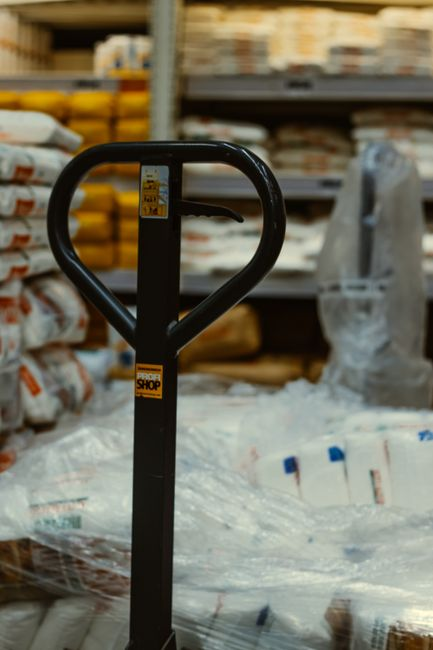
Then move into receiving and pallet intake. Look at how inbound freight is actually handled, not how the SOP reads. Are pallets visually screened, or only moved along because the line is busy? Are damaged pallets, torn wrap, food residue, or long-dwell inbound loads creating cover close to the dock line? Are suspect loads isolated quickly, or blended into normal staging because space is tight? During pre-peak planning, these are not side details. They define whether reintroduction pressure will stay manageable when freight volume jumps.

Next, study staging duration. Mice do not need a dramatic sanitation failure to keep showing up. They need recurring opportunity. Dense pallet rows, low-visibility corners, idle materials near walls, and staging that consistently overruns its intended dwell time can create exactly the kind of cover that turns a dock-side introduction into repeat internal activity. A clean floor helps, but it does not cancel poor visibility or long-lived clutter at the warehouse edge.
Finally, review your recent evidence pattern with honesty. Do sightings cluster near one bank of dock doors? Around specific receiving lanes? Close to seasonal inventory overflow? Near penetrations that have stayed on a repair list too long? If evidence repeats in a pattern, that pattern is your map. It tells you where your current system is porous and where pre-peak corrections should start.
The order of operations that actually reduces repeat activity
When warehouse teams act too broadly, they often spend money without reducing recurrence. We prefer a tighter sequence that mirrors how control improves in the real world.
1. Put one person in charge of the full prevention picture
This is the least glamorous step and often the most important. If maintenance owns physical gaps, operations owns dock flow, sanitation owns residue, QA owns audit pressure, and procurement owns the contract, recurrence can live in the seams between departments. One accountable owner should coordinate findings, repair priorities, receiving changes, and prevention strategy before peak season starts. Without that, warehouses default to fragmented effort and repeated surprises.
2. Harden the dock line and building edge first
Dock vulnerabilities deserve early action because they amplify under heavier trailer turnover. Check worn seals, poor sweeps, misaligned doors, threshold gaps, damaged leveler interfaces, conduit openings, and overlooked wall penetrations. Small openings at active docks matter because they sit exactly where rodent pressure and freight movement meet. A warehouse can be well managed overall and still give mice easy access through tired edge infrastructure.
We urge teams not to let these items linger as general maintenance backlog. Before peak, they become rodent-control priorities. The right framing is not “fix this eventually.” It is “remove predictable access before volume makes access harder to monitor.”
3. Tighten inbound freight and pallet intake
Recurring activity near receiving often points to a governance problem, not just a building problem. Inbound freight should have clear screening expectations, escalation rules, and isolation steps for suspicious pallets or loads. If a team only notices problems after material has joined normal staging, the warehouse is giving up its best chance to break the cycle at the point of entry.
This does not require theatrical inspection. It requires disciplined receiving habits: visual checks that actually happen, fast handling of compromised pallets, clear treatment for long-idle inbound materials, and enough ownership that no one assumes “someone else” is watching for signs of reintroduction.
4. Reduce cover in pallet staging instead of relying on cleanup later
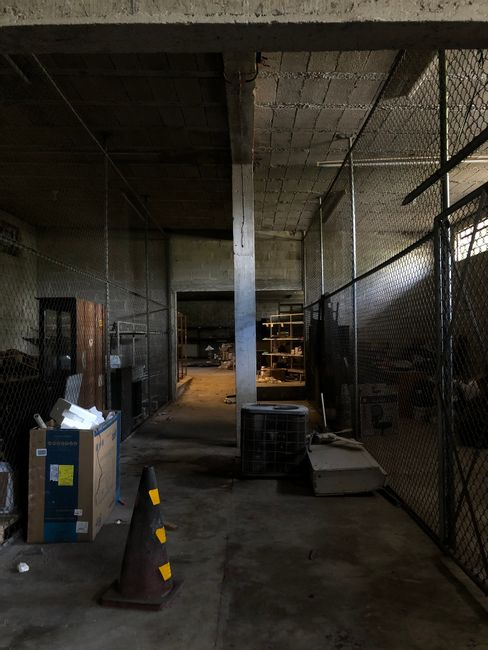
Once freight pressure rises, temporary conditions have a way of becoming steady conditions. Overflow zones expand. Pallet lines sit tighter to walls. Dwell time stretches. Visibility drops. Even without obvious food sources, those changes can make repeat mouse activity easier to sustain. We advise teams to review staging layouts now, especially around receiving edges and slower-turn materials, and ask a blunt question: if a mouse entered tonight, where would it disappear by first shift?
That question usually surfaces practical changes quickly. Pull staging back from walls where possible. Reduce low-visibility dead zones. Shorten dwell times in edge areas. Separate suspect inbound goods from normal flow. None of this replaces a broader control strategy, but it removes the conditions that make recurrence feel invisible until evidence appears again.
5. Add continuous prevention-first deterrence instead of living in catch-and-remove mode
After ownership, hardening, intake controls, and staging fixes are underway, the warehouse still needs an active deterrence layer designed for real operations. This is where many teams stay stuck in old loops. Catch-and-remove methods can respond to activity, but they often leave the facility carrying the ongoing burden: trap checks, carcass risk, visible kill evidence, poison concerns, and repeated documentation around incidents that should have been prevented earlier.
Our view is that a warehouse heading into peak needs continuous, facility-integrated deterrence that supports daily operations without adding toxic materials or avoidable aftermath. Strike System is built for exactly that shift. Our industrial-grade, non-toxic approach uses engineered seismic vibration and ultrasonic technologies to create a hostile environment for rodents across active commercial spaces, helping facilities move away from recurring reactive cycles and toward cleaner operational control.
Why reactive programs keep creating more burden than control
The distinction that matters is not whether reactive tools ever catch mice. Of course they can. The question is what kind of operating burden they leave behind in a live warehouse that is trying to scale through peak season.
- Reactive bait/trap-heavy approach: responds after activity is present, adds checking and reset labor, can create carcass and cleanup issues, raises poison concerns, and often produces more incident documentation than confidence.
- Prevention-first operational approach: pairs building hardening and freight discipline with continuous deterrence, minimizes visible aftermath, reduces dependence on toxic controls, and fits better with sanitation-sensitive, audit-conscious warehouse operations.
That is why we push teams to think beyond service completion. A program can be active on paper and still leave the warehouse doing too much cleanup, too much follow-up, and too much explaining when repeat evidence appears in familiar places.
The blind spots that keep mice coming back
The first blind spot is treating each sighting as isolated. In a warehouse, repeat activity near docks, receiving, or staging is usually patterned. If you respond event by event, you miss the fact that the same operational weaknesses are introducing and sheltering mice over and over.
The second is assuming visible cleanliness equals low risk. We have worked with facilities that were clearly disciplined and still vulnerable because dock hardware was worn, receiving discipline was inconsistent, or staging patterns created cover at the perimeter. Cleanliness matters. It just does not solve access and reintroduction on its own.
The third is letting departments stay siloed. Maintenance may know where the physical gaps are. Operations may know which dock lines run hottest. QA may know where audit sensitivity is highest. If those perspectives never combine into one prevention plan, the warehouse stays reactive even when each department is doing its own job reasonably well.
The fourth is confusing routine service with actual control. Logs, visits, and device checks can create a feeling of management without producing a real drop in recurrence. We always tell teams to judge the system by what the building keeps showing them, not by how complete the paperwork looks.
What to look for in a scalable warehouse prevention strategy
If you are reviewing options for one site or across multiple California facilities, focus on operational fit first. The best warehouse rodent control approach is not the one that creates the most visible activity. It is the one that protects live docks, supports sanitation goals, reduces poison dependence, and scales without creating new burdens for the team.
That means looking for a non-toxic design that can function in active industrial environments, not just in theory. It means favoring systems that do not depend on constant catch-and-remove activity to prove they exist. It means choosing an approach that supports cleaner audits, less visible aftermath, and more consistent performance across large footprints and variable dock conditions.
This is where Strike System fits naturally for warehouse operators who are ready to move beyond recurring service loops. Our engineered deterrence model is designed for critical infrastructure and high-stakes environments where operations continuity, sanitation sensitivity, and sustainability all matter at once. We tailor installations to the facility, integrate them into the real flow of the building, and help teams build a prevention layer that can stay effective through seasonal volume swings instead of collapsing into more reaction.
Practical questions warehouse teams ask before rollout
How early should we make changes before peak shipping season?
As early as you can still act on the findings. The value is highest when you have time to fix dock vulnerabilities, tighten receiving expectations, adjust staging patterns, and put deterrence in place before throughput rises. Once peak is underway, teams usually have less time, less space, and less appetite for structural change.
Can we reduce poison without giving up control?
Yes, if you replace poison dependence with a stronger prevention architecture rather than simply removing one tactic and hoping conditions improve. The point is to control access, reduce reintroduction pressure, and maintain continuous deterrence so the warehouse is not forced back into recurring toxic responses.
Is a prevention-first model realistic for dock-heavy facilities?
It has to be, because dock-heavy facilities are exactly where reactive-only strategies tend to create the most recurrence. High trailer turnover, constant door cycling, and frequent pallet movement make it even more important to pair infrastructure hardening and freight discipline with a deterrence layer built for active warehouse conditions.
Will this help with audit and sanitation pressure?
A prevention-first, low-aftermath strategy is usually better aligned with audit-sensitive operations because it aims to reduce visible kill evidence, cleanup events, and poison-related concerns while improving the logic behind your control program. It does not eliminate documentation needs, but it can make the story cleaner and more operationally defensible.
What if we operate more than one California warehouse?
Then consistency matters as much as performance. Multi-site teams should look for a facility-integrated approach that can be adapted to each building while keeping standards, expectations, and operating logic aligned across the network. That is one of the strongest arguments for engineered prevention over a patchwork of local reactive habits.
Before peak shipping magnifies the weak points you already suspect, this is the moment to decide whether you want another season of recurring sightings near the dock line or a system built to prevent them from returning so easily. We believe warehouse teams make their best rodent-control decisions before the surge, not after it, and that is exactly where Strike System is designed to help.
Strike System delivers industrial-grade, non-toxic rodent deterrence tailored to warehouse operations, helping California facilities protect docks, receiving zones, and staging areas without adding poison or cleanup burden.
Request a Warehouse Assessment